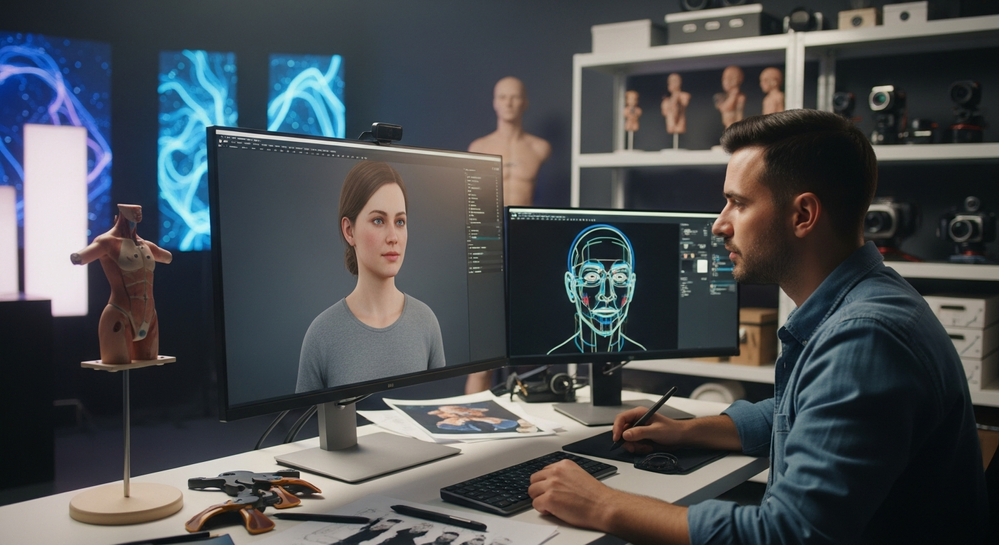
Digital humans have become one of the most powerful tools inside XR ecosystems. With realistic expressions, natural speech, contextual awareness, and the ability to operate inside spatial environments, digital humans allow organizations to deliver support, guidance, training, and communication at a scale traditional teams cannot match. They serve as always available assistants who guide users through processes, provide answers, teach skills, and support operations in real time.
Unlike chatbots or 2D avatars, digital humans bring a human-like presence that improves trust, clarity, and engagement. Across industries, including healthcare, manufacturing, public services, customer support, and mobility, digital humans extend team capability while reducing operational pressure. Enterprises use them for onboarding, customer service, troubleshooting, education, product walkthroughs, and continuous support inside immersive or mixed reality environments.
This article explores how digital humans are transforming support, onboarding, and operational workflows, and why organizations are integrating them into next-generation XR platforms.
Table of Contents
What are digital humans in XR?
Why are enterprises adopting digital humans for support?
How do digital humans improve onboarding experiences?
Guiding users through complex workflows
Digital humans as 24-hour customer support agents
Emotional communication and trust building
Integration with organizational data and AI reasoning
How do digital humans scale operational assistance?
Use cases across industries
Challenges organizations should consider
Conclusion
FAQs
What are digital humans in XR?
Digital humans are realistic, AI-powered virtual characters that interact naturally with users inside immersive or mixed reality environments. They communicate through speech, facial expression, gesture, and contextual awareness.
They operate inside interactive systems similar to those available through Mimic XR tech, which provide the underlying spatial and simulation infrastructure needed for lifelike digital interaction.
Digital humans can support multiple roles:
customer service representative
technical guide
onboarding instructor
training evaluator
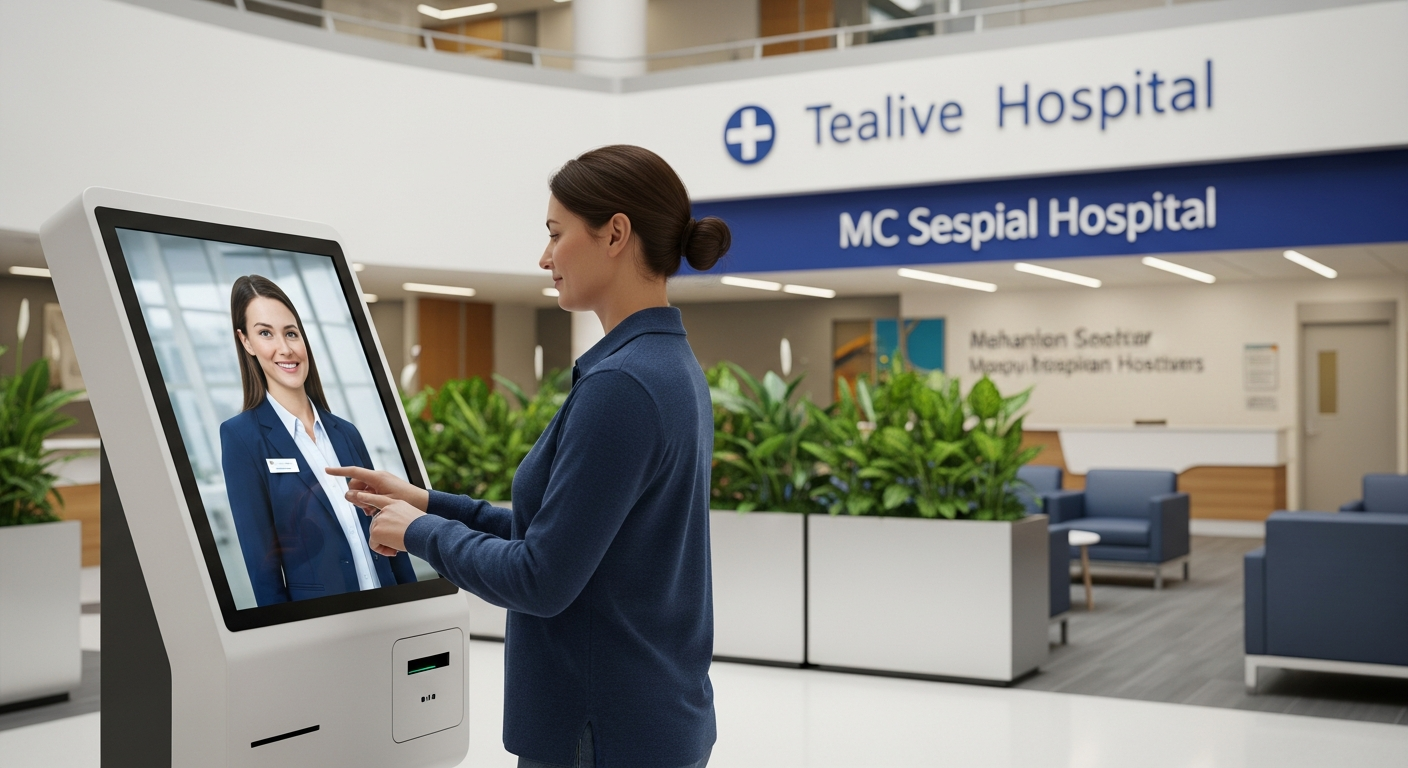
virtual receptionist
emergency assistant
equipment setup guide
Their ability to communicate like a human, but with AI speed and accuracy, makes them ideal for high-volume support tasks.
Why are enterprises adopting digital humans for support?
Support workloads continue to increase across industries. As products become more complex and customers demand real-time help, organizations need scalable solutions that deliver consistent answers without overwhelming human staff.
Digital humans help because they:
answer repetitive support questions
provide guided assistance instantly
reduce wait times
personalize responses
remain available around the clock
reduce staffing requirements
maintain consistent quality
Enterprises can deliver premium service even during peak demand.
These improvements mirror the efficiency gains in AI-powered assistance systems, where automated guidance reduces operational pressure.
How do digital humans improve onboarding experiences?
Onboarding is often time-consuming, inconsistent, and difficult to scale. Digital humans unify onboarding processes by delivering standardized, friendly, and step-by-step guidance.
They can:
walk new users through software setup
explain products visually
demonstrate interactions with 3D content
answer questions in real time
personalize onboarding based on role or skill level
ensure every user completes the required steps
This makes onboarding faster, more engaging, and more effective.
Guiding users through complex workflows
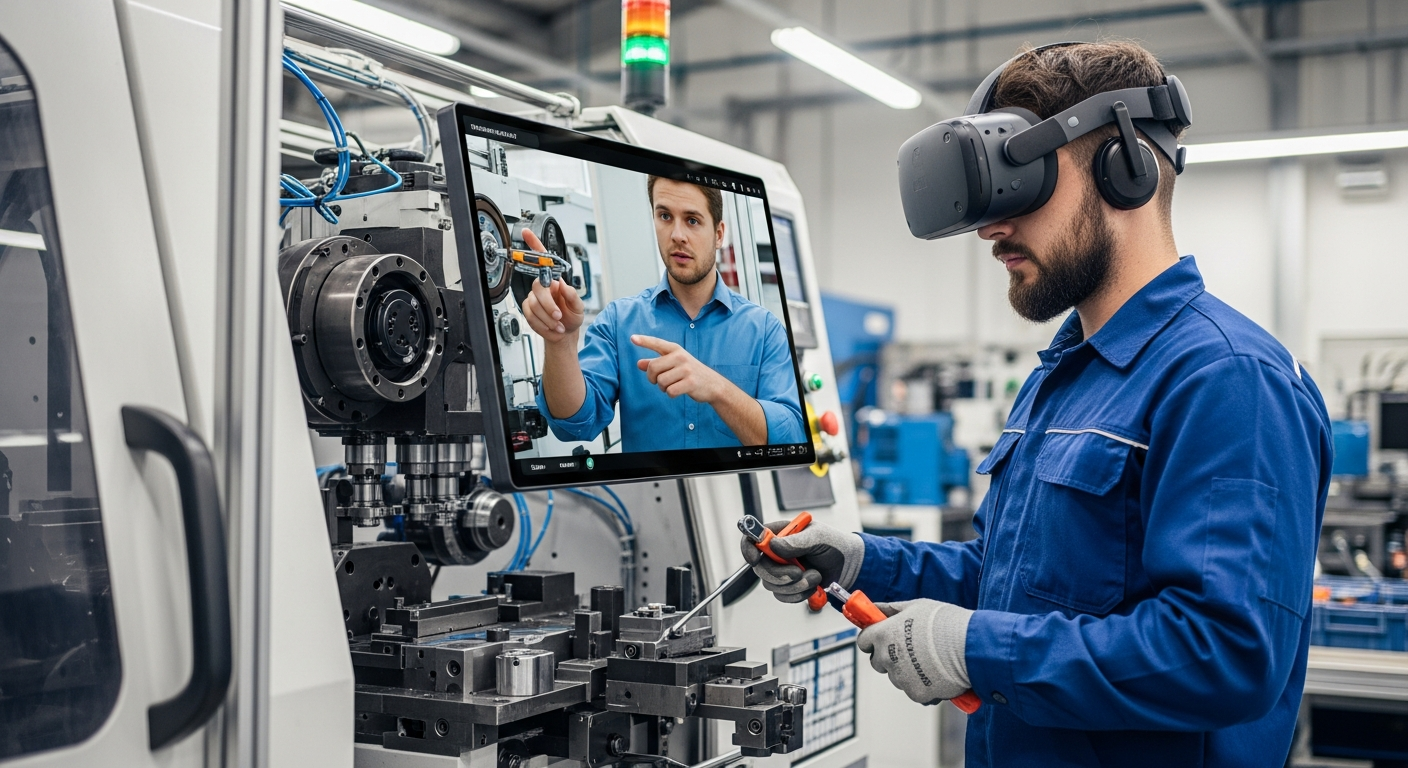
Many workflows require instructions that are easier to follow visually. Digital humans excel at guiding users through spatial tasks inside XR, such as:
machine operation
assembly steps
safety checks
field service routines
medical procedures
equipment setup
This aligns naturally with spatial workflow design similar to the patterns explained in XR workflow systems.
Digital humans ensure processes are consistent, complete, and easy to understand.

Digital humans as 24-hour customer support agents
Digital humans can be deployed inside XR applications, mobile interfaces, kiosks, or mixed reality screens to provide support at any time. They can deliver:
troubleshooting help
billing questions
service information
product guidance
training reminders
personalized recommendations
This reduces customer frustration and eliminates wait times.
In environments with high foot traffic, digital humans act as virtual receptionists who offer clear, friendly directions.
Emotional communication and trust building
Digital humans allow AI systems to communicate with emotional presence. Facial expressions, tone of voice, and movement help users feel comfortable and understood.
These emotional cues support:
higher trust in instructions
safer guidance during stressful tasks
better user retention
clearer explanation of risk or safety steps
Emotional intelligence is essential in training, customer service, and healthcare. Digital humans offer this at scale.
Integration with organizational data and AI reasoning
Digital humans are more powerful when paired with AI reasoning engines and enterprise data systems.
They can access information such as:
product databases
maintenance logs
customer profiles
workflow checklists
digital twin simulations
predictive modeling engines
Digital twins are especially helpful when the digital human needs to provide personalized guidance, similar to the digital twin models used for clinical planning.
These integrations enable accurate, context aware, and adaptive support.
How do digital humans scale operational assistance?
Organizations often struggle with scaling their internal support. Digital humans solve this by acting as operational aids that employees can consult instantly.
They support:
access to manuals and instructions
real time task guidance
performance evaluation
safety reinforcement
training refreshers
multilingual communication
shift independent assistance
Digital humans do not become tired, rushed, or inconsistent.Their reliability makes them ideal for global teams.
Use cases across industries
Digital humans are used across a wide range of sectors.
Healthcare
patient education
triage support
clinical onboarding
Manufacturing
machinery operation training
safety walkthroughs
Aviation
passenger guidance
baggage support systems
Corporate training
soft skill coaching
onboarding modules
Retail
product information
customer assistance kiosks
Mobility
transportation support
wayfinding guidance
Digital humans adapt to the needs of both customer-facing and internal operational environments.
Challenges organizations should consider
Digital humans require:
natural interaction design
high quality animation
accurate speech models
culturally appropriate communication
privacy and compliance oversight
regular content updates
Enterprises must ensure digital humans operate responsibly and transparently, especially when delivering sensitive instructions.
Conclusion
Digital humans are redefining how organizations scale support, onboarding, and operational guidance. Their ability to communicate naturally, respond instantly, and deliver standardized instructions makes them a powerful tool in XR ecosystems. Enterprises adopt digital humans to reduce staff burden, improve user experience, expand training capability, and operate with greater consistency across global teams.
Mimic XR helps organizations implement digital human systems by combining spatial computing, real-time AI interaction, and workflow-driven design that elevates both customer and employee experiences.
FAQs
1. What are digital humans used for in XR?
Digital humans support training, onboarding, customer service, and operational guidance.
2. Can digital humans work around the clock?
Yes. They can provide support at any time in XR or mobile environments.
3. How do digital humans improve onboarding?
They guide users step by step and answer questions instantly.
4. Are digital humans capable of emotional communication?
Yes. Their expressions and tone help build trust and clarity.
5. Can digital humans access enterprise data?
They can connect with internal systems to provide personalized assistance.
6. Are digital humans good for complex workflows?
Yes. They can walk users through spatial tasks inside XR environments.
7. Do digital humans replace human employees?
No. They support staff by reducing repetitive workload.
8. Which industries use digital humans?
Healthcare, manufacturing, aviation, retail, corporate training, and mobility.