Choosing a virtual event platform is not a software checklist. It is an experience decision. Conferences and trade shows succeed when people feel oriented, curious, and motivated to move through a space. When that sense of flow disappears, even strong content struggles to hold attention.
Most platforms replicate agendas and video players but ignore how real events actually work. Physical conferences succeed because of spatial cues, informal encounters, and momentum. Digital events need the same logic.
That becomes clearer when you understand extended reality as the foundation of spatial interfaces, where experiences are designed as environments rather than pages.
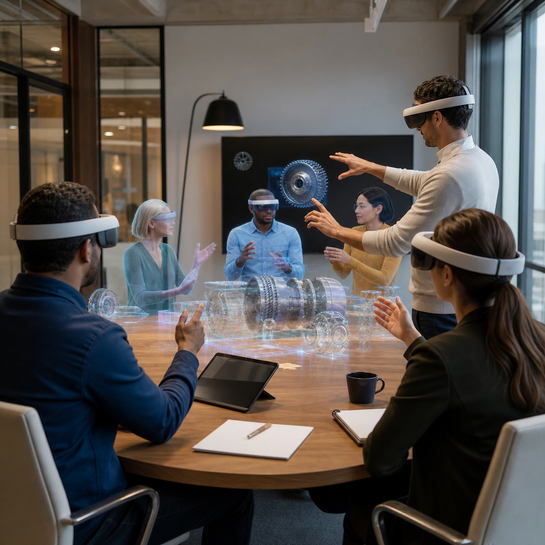
Before comparing vendors, it helps to understand how shared digital spaces support movement, discovery, and informal interaction. The idea of shared 3D workspaces enabled by the metaverse provides useful context when evaluating event platforms built around presence.
Table of Contents
Start with the event format, not the feature list
Define success for conferences and trade shows
Reduce onboarding friction for attendees
Match interaction depth to content and sponsors
Data, compliance, and operational realities
Virtual event platform comparison table
Applications across industries
Benefits
Considerations for teams
Future outlook
Conclusion
FAQs
Start With the Event Format, Not the Feature List
A virtual event platform only works when it matches the type of event you are producing. A keynote-driven conference and a sponsor-heavy trade show place very different demands on technology.
Conference-first events: Reliability, clear schedules, moderation, and seamless live streaming and replay matter most. A strong virtual conference platform stays invisible during sessions.
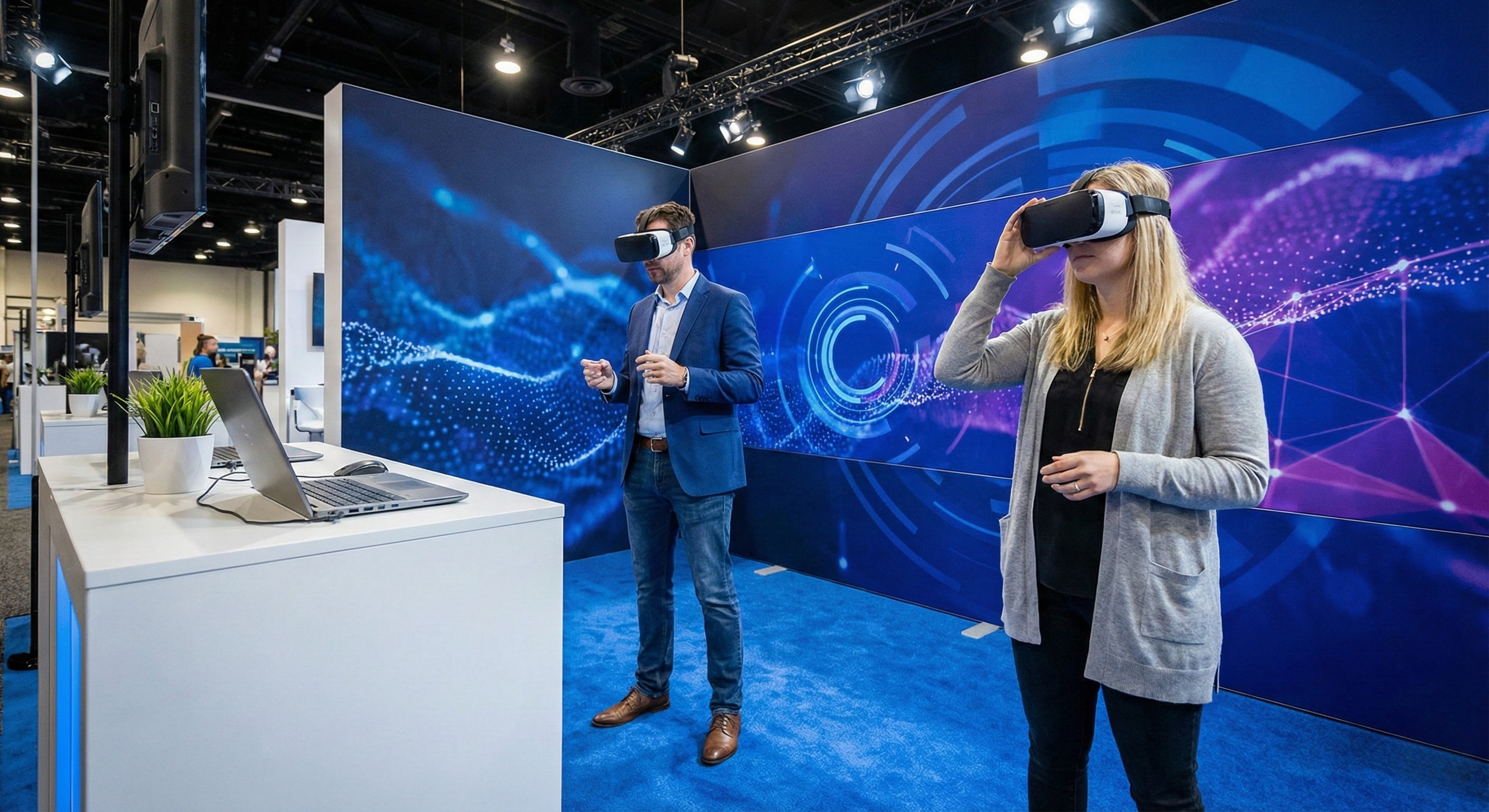
Trade show-first events: Discovery, virtual booths, meeting booking, and lead capture define success. A capable trade show platform makes exploration feel natural.
Hybrid formats: On-site and remote audiences must feel connected. A hybrid event platform should translate physical energy into digital participation.
Community-led gatherings: Smaller rooms and recurring spaces encourage familiarity and long-term engagement.
Define Success for Conferences and Trade Shows
Success looks different depending on why the event exists. Without clarity, platform selection becomes subjective.
Pipeline-driven goals: Focus on meeting requests, downloads, and CRM-ready exports supported by strong sponsor analytics.
Brand experience goals: A 3d virtual venue should support spatial storytelling and visual hierarchy.
Content performance goals: Session attendance, replay rates, and engagement curves matter more than registrations.
Partner visibility goals: Sponsors need meaningful interaction, not just logos.
Retention goals: Recurring events benefit from persistent environments rather than one-off builds.
Reduce Onboarding Friction for Attendees
The first few minutes determine whether people stay or leave. A virtual event platform must respect limited patience.
Access method: Browser-based entry lowers friction. App-based access allows deeper interaction but raises barriers.
Device reality: Decide whether the experience targets laptops, mobile devices, or immersive hardware.
Wayfinding: Clear lobbies and zones prevent disorientation.
Accessibility: Captioning, readable contrast, and keyboard navigation are essential.
Time-zone logic: Automatic localization prevents missed sessions.
Match Interaction Depth to Content and Sponsors
Not every event needs spatial environments. Not every event should rely on video grids. The best virtual event platform matches interaction depth to intent.
Light interaction: Chat, polls, and Q&A for large sessions.
Moderate interaction: Breakouts and structured attendee networking.
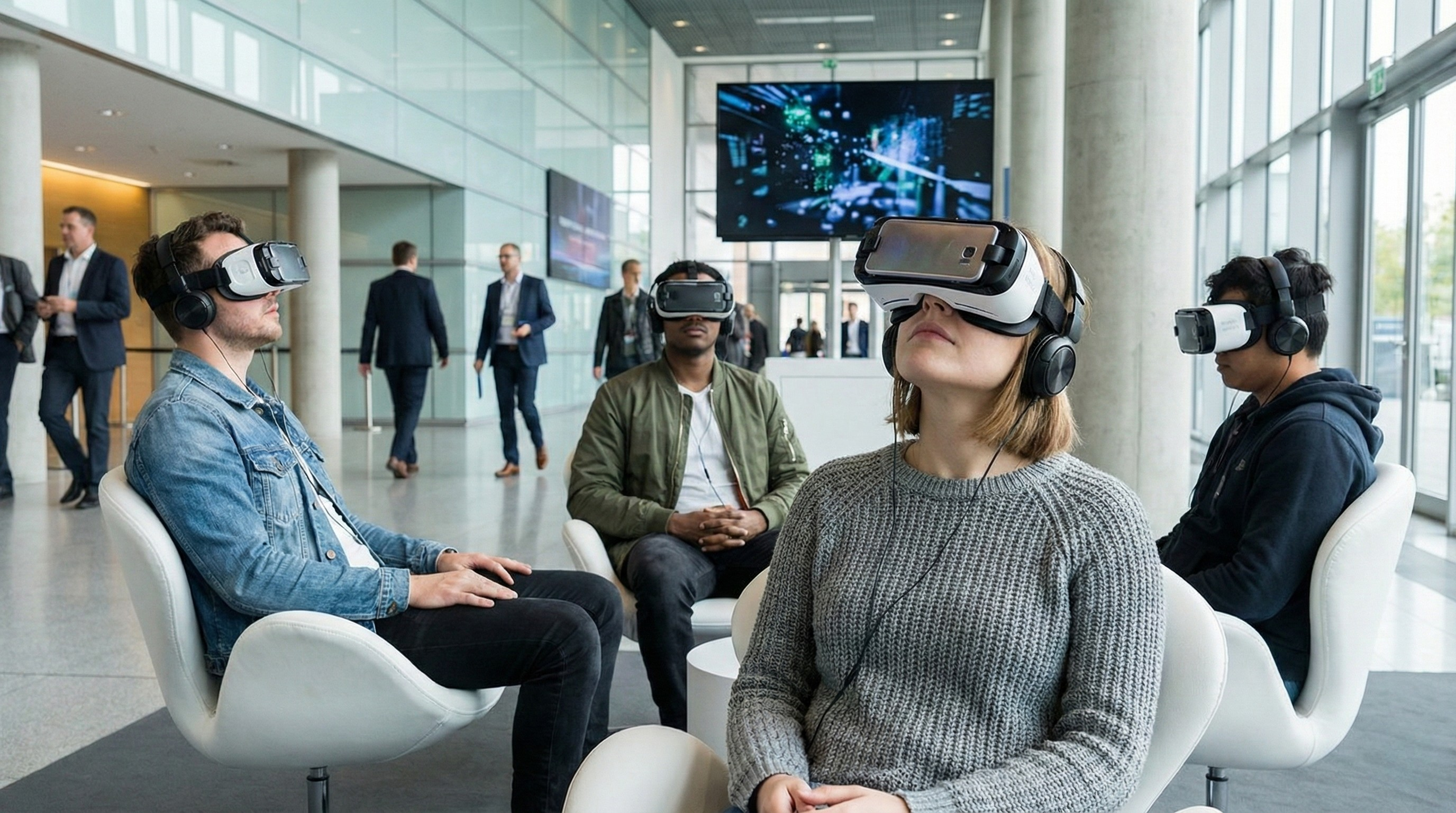
High interaction: Spatial movement, avatar-based conversation, and interactive demos for virtual expo formats.
Platforms that borrow from XR treat networking as behavior, not buttons. Understanding why spatial audio enhances immersive experiences helps distinguish true presence from surface-level visuals.
Data, Compliance, and Operational Realities
The most important parts of a virtual event platform rarely appear in marketing material.
Analytics depth: Attendance, dwell time, booth engagement, and conversion paths.
Integrations: CRM, marketing automation, SSO, and calendars.
Moderation tools: Backstage access, permissions, and incident response.
Privacy and compliance: Clear consent handling and data policies.
Content operations: The ability to update agendas, speakers, and virtual booths without rebuilding the event.
Virtual Event Platform Comparison Table
Criteria | Conference-First | Trade Show-First | Spatial 3D |
Core strength | Sessions | Leads | Presence |
Networking | Structured | Scheduled | Proximity-based |
Sponsor value | Branding | Analytics | Interactive demos |
Production load | Broadcast | Ops-heavy | Design-heavy |
Applications Across Industries
Different industries value different aspects of virtual events.
Learning and development: Internal conferences and skills showcases.
Manufacturing: Supplier events and product walkthroughs.
Retail and fashion: Launches inside branded 3d virtual venues.
Museums and culture: Guided experiences built around virtual worlds used for training and collaboration.
Media and entertainment: Fan events that prioritize presence and identity.
Benefits
The right virtual event platform does more than replicate physical events.
Global reach: Attendance without travel constraints.
Extended lifespan: Content lives on through replays.
Measurable outcomes: Clear attribution through data.
Creative control: Experiences designed intentionally.
Considerations For Teams
Platform choice is only half the work.
Ownership: Define who runs the platform live.
Staffing: Interactive formats require moderators.
Training: Speakers and sponsors need clear playbooks.
Creative load: Spatial platforms require 3D assets and optimization.
Device planning: Immersive access needs fallback options.
Future Outlook
Virtual events are moving beyond broadcast. Smart avatars, cinematic environments, and adaptive experiences are becoming standard.
Understanding how immersive experiences create presence and engagement will be critical as events evolve into persistent digital destinations.

Conclusion
Choosing a virtual event platform means deciding what kind of experience you are producing. Content-first events need reliability. Trade shows need discovery and data. Presence-first events need spatial logic and believable interaction.
When platforms are evaluated through experience instead of features, virtual events stop feeling like software and start feeling like places.
FAQs
What is the most important feature in a virtual event platform?
The feature is directly tied to your success metric, whether that is leads, engagement, or retention.
Is a 3D virtual venue necessary for every event?
No. It is most effective when exploration and presence are central to the experience.
How do sponsors measure success in virtual trade shows?
Through booth visits, dwell time, interactions, downloads, and meetings.
Are hybrid event platforms harder to run?
They require more coordination but offer greater reach and flexibility.