
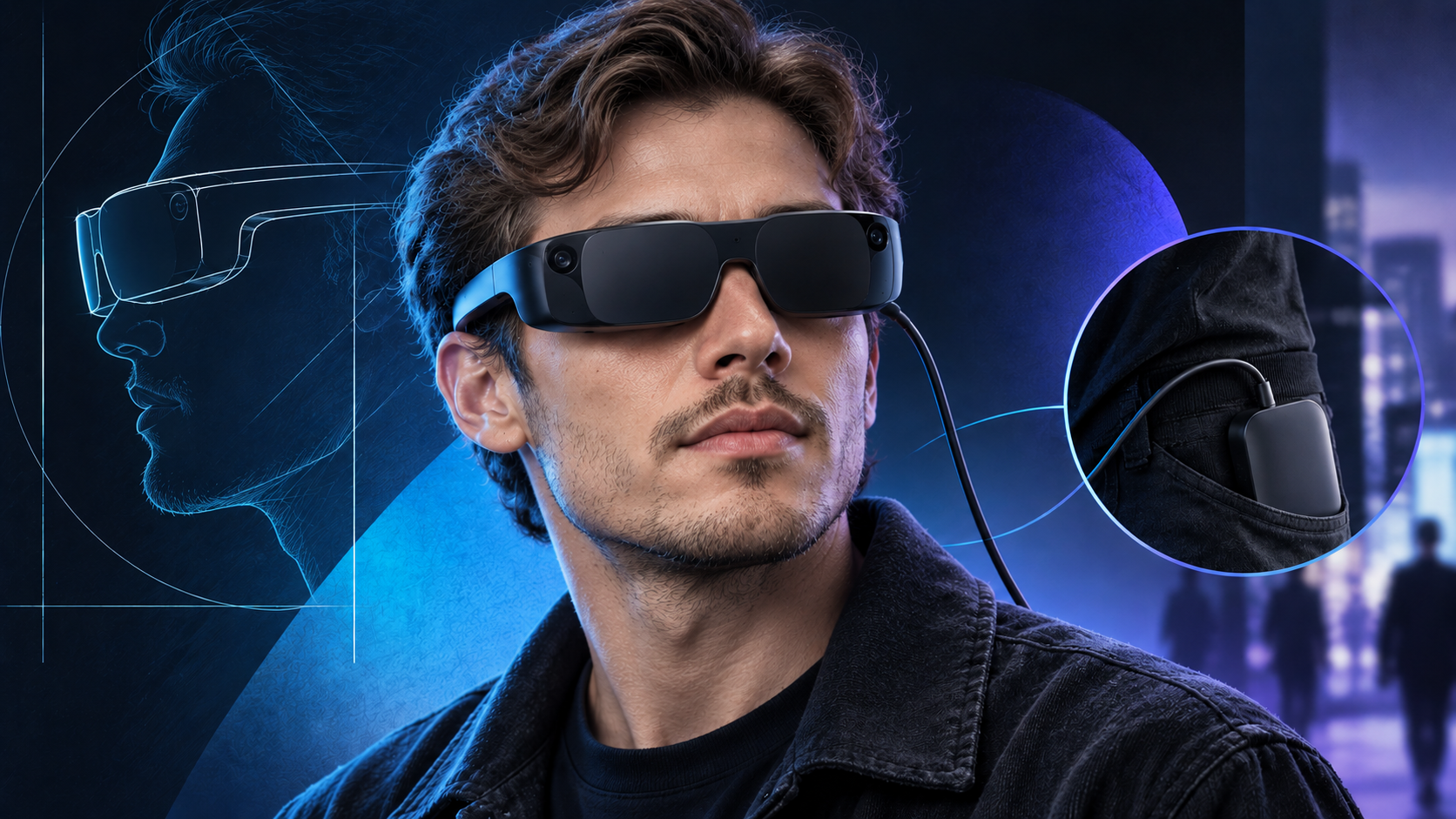
Smart glasses are moving from experimental demos toward products people can actually wear at an event. For brands planning 2027 XR activations, that shift opens new ways to connect digital stories with physical places.
Should a brand replace its headset experience with glasses? No. The useful question is which device best serves the experience, the audience and the setting. Display glasses, see-through AR glasses and immersive mixed reality or VR headsets do different jobs. A strong campaign can use more than one, while still giving every visitor an experience that works without specialist hardware.
In this article
What kind of glasses are we talking about?
How should a brand activation change?
A practical 2027 plan for brands
Will glasses replace mixed reality headsets?
What kind of glasses are we talking about?
“Smart glasses” is a broad label. Audio-first eyewear can capture media, respond to voice and provide assistance, but it does not place graphics over the world. Display glasses can show a private screen. See-through AR eyewear can position digital content in the wearer’s view. A mixed reality headset can offer a more immersive, controlled visual field, often at the cost of weight, setup and social visibility.
This difference matters for creative decisions. A hands-free product prompt on a showroom floor, such as an AR product visualisation, might suit lightweight glasses. A life-size virtual car interior or a detailed spatial simulation may still work better in a headset. Neither should be designed as a simple copy of a phone page.
What changed in 2026?
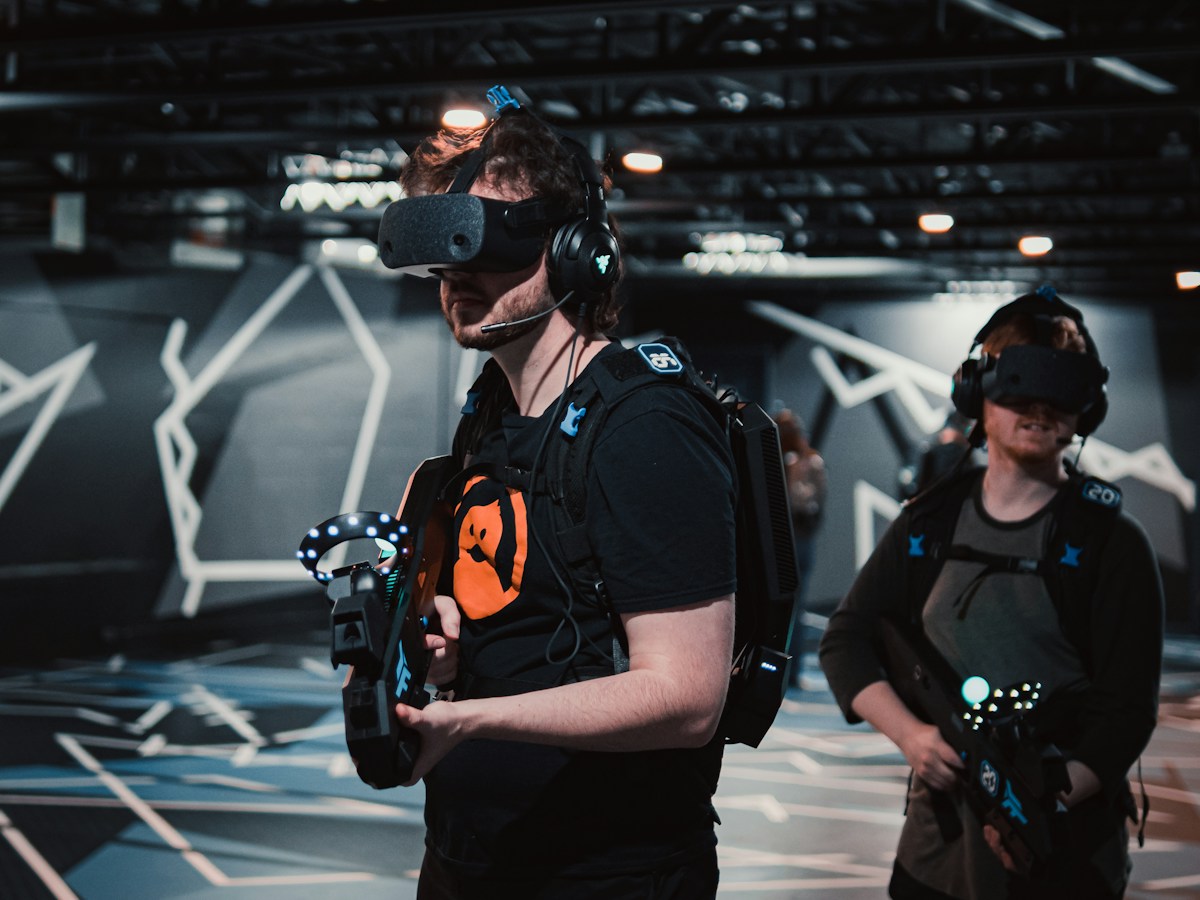
At Meta Connect 2026, Meta introduced lightweight Meta VR Glasses for immersive viewing. Despite the name, Meta described them as VR glasses, rather than transparent AR eyewear. The company’s broader wearables work also points toward more developer tools for glasses-based experiences. Meta’s announcement is a useful reminder to check what a device actually displays before choosing a format.
Snap presented new SPECS experiences and partnerships in September 2026, with a developer and launch ecosystem still taking shape. Google’s Android XR work also spans different form factors, including glasses. These announcements create momentum, but they do not establish one common installed base or one universal way to deploy a brand activation. Snap’s SPECS update and Google’s Android XR update are worth following as platform capabilities mature.
For 2027 planning, the opportunity is real, but timing and availability vary by device, region and software platform. Build a concept that can be tested on actual hardware and adapted if a launch slips.
How should a brand activation change?
Start with the visitor journey, not the device list. Glasses are most compelling when the wearer can keep talking, walking and looking at the physical product. Think guided exhibit cues, contextual product layers, interactive wayfinding or a story that reveals itself as a guest moves through a venue.
Design each moment to be brief and legible. A visitor should know where to look, what to do and how to leave the experience within seconds. Text must remain readable against changing real-world backgrounds. Audio should work in a noisy space or have a visual alternative. Staff should be able to reset and clean devices quickly.
A phone-accessible fallback keeps the experience open to guests who cannot or do not want to wear glasses. It also gives a brand a measurable route beyond the event: a saveable product page, lead form or follow-up story. For an event concept that connects physical installations with XR, see our events and brand activations work.
A practical 2027 plan for brands
1. Define one business goal and one visitor action. Decide whether the activation should increase product understanding, qualified conversations, dwell time or another measurable outcome.
2. Prototype the smallest useful interaction on available hardware. Test tracking, readability, battery life, fit and accessibility in a real venue, rather than only in a studio.
3. Design privacy from the start. Explain camera and sensor use in plain language, avoid collecting bystander data without a clear need, and check local legal requirements before filming or analyzing visitors.
4. Prepare an equivalent route for guests without glasses. Keep the core story and call to action available through a phone, screen or staff-assisted demo.
5. Rehearse operations. Plan charging, connectivity, hygiene, queue management, replacement units and an offline fallback. Measure outcomes against the original goal, not just headset or glasses wear time.
Will glasses replace mixed reality headsets?
Probably not across every use case. Glasses can make subtle digital layers feel natural in a live setting. A headset can still be the right choice for mixed reality solutions that need full immersion, precise spatial control or a dramatic transformation of the environment. Screens and phones remain powerful when speed, reach and accessibility matter most.
The better decision is a device mix matched to the creative idea. Avoid promising the same interaction on every platform. Instead, design one coherent story with the right expression for each surface.
Frequently asked questions
Are smart glasses the same as mixed reality headsets?
No. Smart glasses range from audio eyewear to devices with visible displays, while mixed reality headsets usually offer a more immersive and controlled view. Check a specific device’s display and interaction capabilities before designing for it.
Will every event visitor own compatible glasses in 2027?
No reliable forecast supports assuming universal ownership. Plan loaner hardware where needed and a phone or screen fallback for everyone else.
Should a brand build one activation for Meta, Snap and Android XR?
Use one creative strategy, then validate the interaction on each chosen platform. Hardware capabilities, development tools and distribution differ.
What makes an AR-glasses experience useful at an event?
It should add timely information to something visitors already want to see or do, such as exploring a product, navigating a space or understanding a process.
How long should a glasses interaction last?
Keep the first interaction short enough to understand immediately. Let interested visitors choose a deeper path, and test actual completion times with guests.
Do glasses work in a noisy exhibition hall?
They can, but voice-only control is risky. Offer clear visual prompts and another input path, then test sound and lighting in the venue.
What privacy issues should brands consider?
Camera, microphone, location and bystander data all need careful handling. Explain what is captured, minimize collection and obtain legal review for the region and venue.
Do we still need headsets for a 2027 XR campaign?
Possibly. Headsets remain useful for deep immersion and spatial simulations. Choose the format that serves the goal and audience, rather than treating glasses as a replacement by default.
How should success be measured?
Track the business outcome defined before production, such as qualified conversations or product comprehension, alongside operational measures such as completion rate and device downtime.
The takeaway
Smart glasses make the physical world an appealing canvas for brand storytelling, but 2027 activations should be built for real devices, real venues and real visitors. Start with a useful moment, test it in context and keep an accessible alternative. If you are planning an event or launch, contact Mimic XR about an XR brand activation and we can help choose the right mix of glasses, headsets and screens.