
What should a business buy, test and receive from its first VR training pilot?
A VR training pilot is a bounded trial of one learning task on a defined device, with agreed deliverables and a decision at the end. It should establish whether the experience is usable, whether learners can perform the intended actions, and what it would take to operate it reliably. A visually impressive demonstration alone cannot answer those questions.
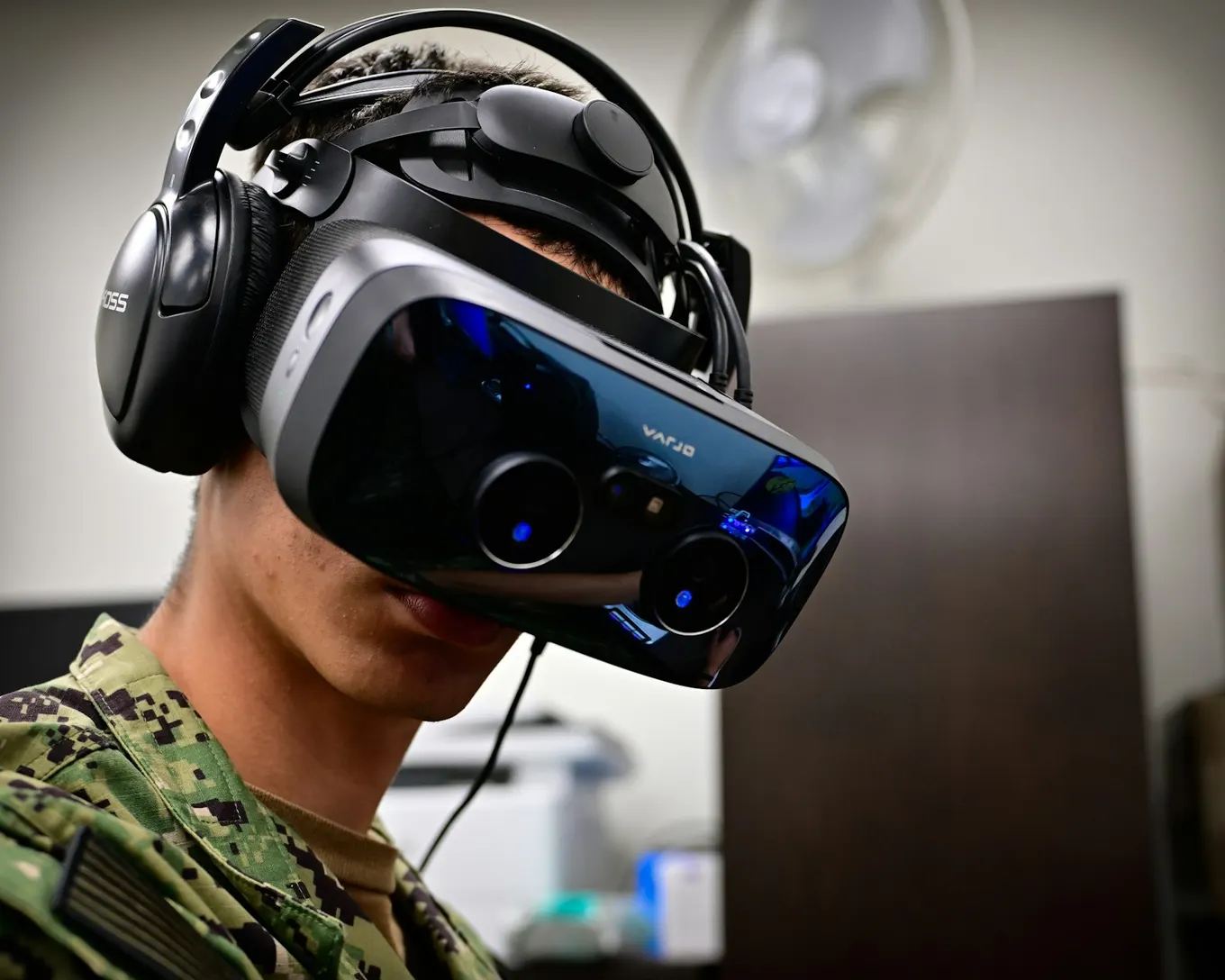
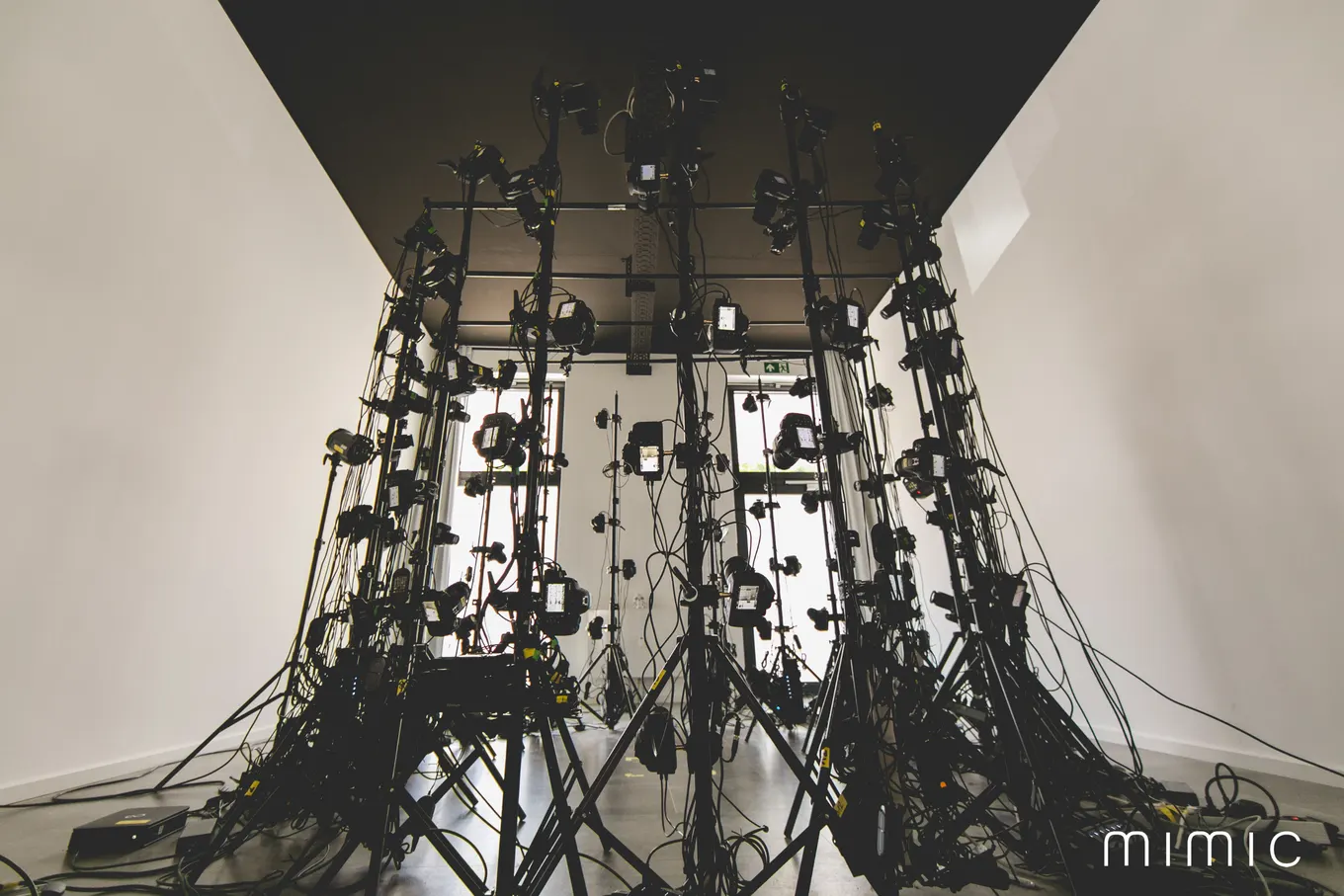
This buyer’s guide explains how to commission a custom pilot: the client inputs, prototype scope, quotation, production gates, acceptance tests and handover. It is a suggested planning framework, not a fixed-price offer or a promise of training results. For the wider learning programme, use our virtual reality training programmes guide. The photographs here illustrate devices and teamwork; they do not depict Mimic XR client projects.
Table of Contents
Define the VR training pilot scope and client inputs

Start by agreeing the job action that needs rehearsal. ‘Improve safety’ is too broad to build or assess. ‘Identify the relevant hazards in one simulated work area and explain the next action’ provides a clearer brief. Select a task where spatial understanding, decision-making or repeatable practice could add value. If a short video or supervised demonstration already solves the problem adequately, compare that route before commissioning custom VR.
A useful first scope might contain one environment, one learner role, one language, one target headset and one short scenario with a guided practice mode and an assessment mode. This is an illustrative scope, not a standard package. Record exclusions explicitly: additional sites, multiplayer sessions, photorealistic characters, extra languages and live enterprise integrations can each change the work. Define what a learner sees, chooses, manipulates and receives as feedback.
Bring the approved procedure, learning objectives, reference photographs or permitted video, available CAD or 3D files, terminology, branding requirements and any existing assessment checklist. Identify who owns each asset and whether it can be used in training software. Mark missing information rather than expecting a supplier to invent a procedure. For new assets, our 3D modelling and asset creation service explains a related production capability. The pilot brief should identify which objects need functional detail and which can remain simplified.
Name a subject-matter expert who can approve the task sequence, a learning owner who can approve the assessment, and an operational owner who will run sessions. Include IT early if installation, accounts, network access or reporting needs approval. Ask representative learners about language, device familiarity and access needs. Provide a non-headset route where necessary, and agree a stop procedure for discomfort. Device-specific usage instructions and your organisation’s own training requirements should inform session planning.
Write the starting position down before development. What is the current method, how long does it take, which mistakes occur, and how are learners assessed? Separate a knowledge gap from an equipment, staffing or process problem that VR cannot resolve. The pilot should investigate a specific uncertainty. For example: can a novice recognise the correct sequence without prompts after guided practice? That question is more useful than simply asking whether participants liked wearing a headset.
Specify the prototype, deliverables and quote

Ask for a proposal that connects every deliverable to the learning task. A sensible sequence begins with a scenario outline and interaction storyboard, then an early working prototype on the chosen device, followed by a pilot build and a test report. Review the interaction before approving expensive visual detail. Our XR training simulations service is the relevant route for discussing this scope; the final deliverables and responsibilities should be written into the project agreement.
The software deliverable should specify the supported headset and operating-system version, installation method, required accounts, offline behaviour and any dependencies. Define the learner flow from launch through practice, assessment, feedback and reset. State which actions are recorded and what the report contains. A simple export may be sufficient for an initial trial; if an LMS connection is required, specify the receiving system, authentication, fields and an end-to-end test. ‘LMS-ready’ without these details is not an acceptance criterion.
Request separate prices for discovery, instructional design, 3D assets, development, testing, deployment, hardware, training and support. List client-supplied assets and the assumptions behind reuse. The VR training cost guide explains budget drivers; use the same scope when comparing quotes. A lower software estimate may exclude device configuration, facilitator time, reporting or future changes. Ask how many review rounds are included and what happens when an approved procedure changes.
Clarify handover before work begins. Request the installation package, facilitator instructions, scenario and scoring documentation, test results, known limitations and a support contact. Agree whether source code and editable assets are included, which third-party licences apply, who controls accounts, and how another team could maintain the application. These are commercial terms to settle with the supplier, not assumptions that follow automatically from buying a custom build.
Also ask what will be reusable if the pilot succeeds. Shared interaction components, approved assets and reporting conventions may reduce later duplication, but reuse depends on their suitability for the next task and on agreed rights. A custom virtual reality development project can involve different maintenance responsibilities from a subscription training library. Compare both options if an existing module already matches your procedure closely. Do not commission bespoke production solely to reproduce an available generic lesson.
Plan the production stages and evaluation window
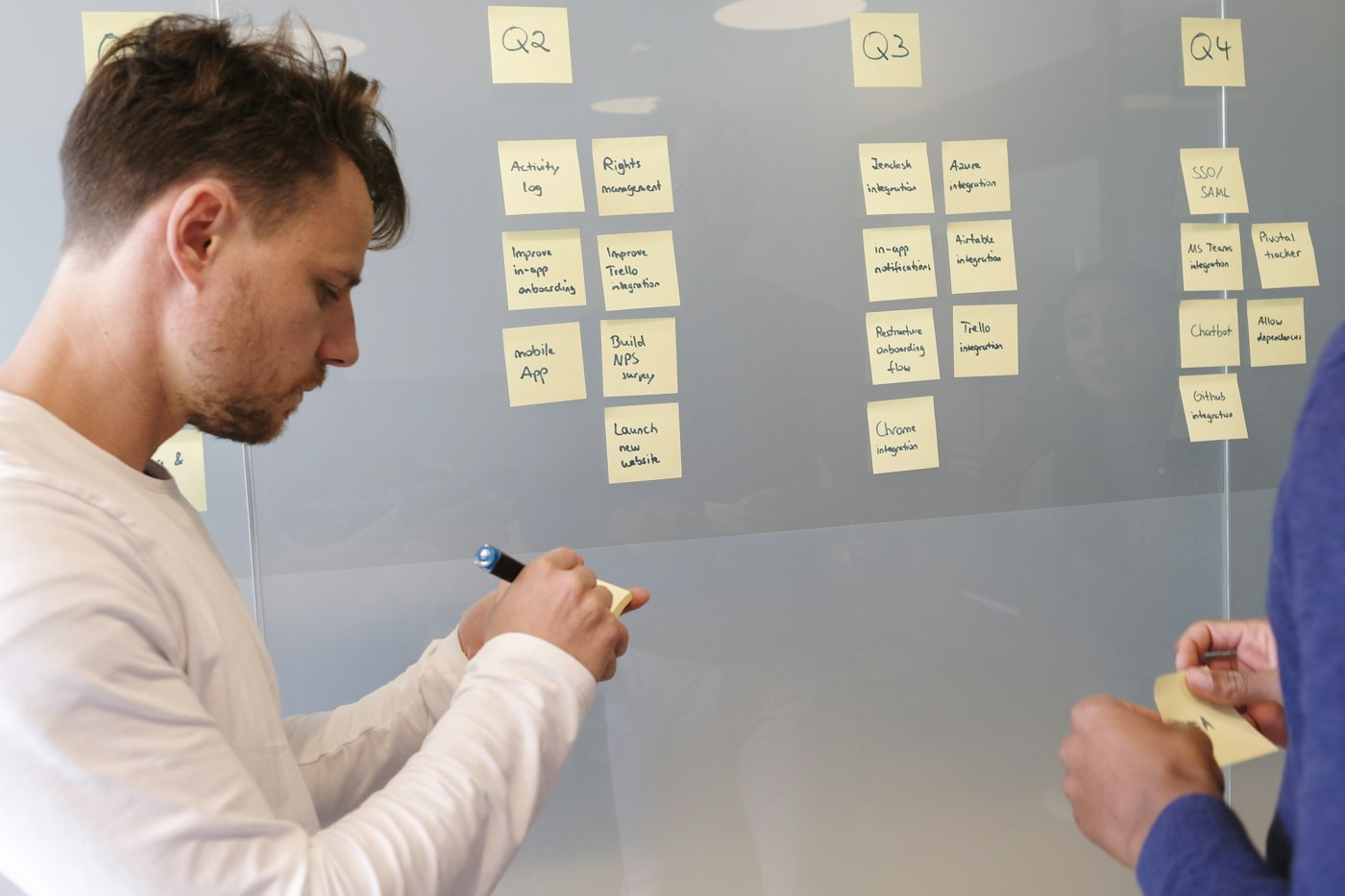
Separate the time to build a custom experience from the time to evaluate it. A two- or four-week learner trial does not mean a new simulation can be designed, approved and produced in that period. Ask the supplier for a schedule based on asset readiness, scenario complexity, review availability, hardware access and deployment constraints. Start the evaluation clock only after the build meets the agreed entry criteria.
Use approval gates with named owners. First, approve the task, scope and baseline. Second, review the storyboard and assessment logic. Third, test an early interaction on the actual headset. Fourth, complete content, technical and operational checks. Fifth, run the learner evaluation and record the decision. Each gate should produce a concrete output and a list of unresolved issues. A missed client review or unavailable device should trigger a revised schedule rather than an invisible reduction in testing.
An example evaluation window could use the first week for facilitator rehearsal and baseline assessment, the next two weeks for scheduled learner sessions, and the final week for follow-up assessment and reporting. Treat this as a planning example, not a delivery guarantee or an adequate sample for every research question. A small pilot can reveal usability problems; demonstrating a reliable learning effect may require a different study design, more participants and a longer follow-up.
Plan the station as carefully as the application. Record fitting, onboarding, practice, assessment, cleaning, charging and reset time. Include staff support and the time needed to recover from a failed launch. Confirm usable space, seating where appropriate, connectivity and secure storage. The enterprise VR headset guide can help frame procurement questions, but the selected application still needs testing on the exact device and deployment setup. Hardware specifications alone do not establish usability.
Keep a change log during the pilot. Classify a broken scoring rule differently from a suggestion for a future scenario. Fix defects that prevent the agreed task from working, and keep new scope visible in a separate backlog. Record the build version used in every session so results remain interpretable. If a meaningful change is made halfway through testing, explain its effect on comparisons instead of combining all sessions into one apparently consistent result.
Agree acceptance tests and the rollout decision
Agree acceptance tests before production, with an owner and evidence for each. Content acceptance asks whether the sequence, labels and feedback match the approved learning material. Functional acceptance checks that each required action works and each scored decision produces the expected result. Deployment acceptance checks installation, launch, permissions, reset and recovery in the intended setting. A pilot should not pass because it worked once on a developer’s machine.
Operational acceptance should include a facilitator running the session without developer assistance. Test the supported input method, an interrupted session, the stated offline behaviour, a restart and the reporting export. Confirm that failed or abandoned attempts are distinguishable from completed attempts. Define what data is necessary, who can access it and how long it is retained. If reporting contains personal information, involve the relevant organisational owners before real learner data is collected.
Measure the learning outcome separately from satisfaction. Record baseline performance, task accuracy, critical errors, prompts needed and a suitable follow-up assessment. Compare equivalent tasks and account for prior experience. Confidence and enjoyment can be useful feedback, but neither proves competent job performance. PwC’s VR soft-skills study examined a particular inclusive-leadership course and learner population. Its findings are useful context, not a guaranteed result for a different workplace task or a new Mimic XR pilot.
Define the decision rule in advance. Expand when the agreed learning and operational criteria are met and the business case remains credible. Revise when a specific, fixable barrier prevents a useful evaluation. Stop when the format does not address the original problem or when operating requirements outweigh the benefit. Numeric thresholds should come from your task and baseline; an arbitrary pass rate or engagement target can encourage the wrong behaviour.
Use the VR training ROI calculator to explore assumptions, then replace estimates with observed session costs and support requirements. Include development, maintenance, device replacement, facilitator effort and content updates. Do not count every minute saved as cash savings unless the organisation can actually realise that benefit. The final report should distinguish measured results, participant feedback, assumptions and unanswered questions. It should recommend one next decision rather than treating a larger rollout as inevitable.
VR training pilot FAQs
What is the difference between a VR demo and a training pilot?
A demo shows a capability or experience. A training pilot uses a defined task, representative learners, agreed deliverables and evaluation criteria to support a decision. It includes operational checks and reporting, not just a presentation of the software.
How much does a custom VR training pilot cost?
The cost depends on scenario complexity, asset readiness, interaction design, hardware, reporting and support. Request an itemised estimate against one written scope. A reusable existing module and a new custom simulation are different purchases and should not be compared only on headline price.
How long does a VR training pilot take?
Separate discovery and production from the learner trial. The build schedule depends on content, approvals, device access and technical requirements. A short evaluation window can follow an approved build, but it should not be presented as the total custom-development timeline.
Can we begin with one headset?
One headset can support an early usability trial when sessions are scheduled and facilitated. It limits throughput and cannot demonstrate fleet operations or multi-site readiness. Measure fitting, cleaning, charging and reset time before estimating how many learners a station can support.
Do we need an LMS integration for the first pilot?
Only if the integration is essential to the decision you are testing or an organisational requirement. Otherwise, a controlled report or export may be enough initially. If integration is included, specify the receiving system, required fields and a complete delivery test.
How many learners should participate?
There is no universal number. Select participants who represent the intended roles and access needs, and match the sample to the question. A small usability trial does not establish a statistically reliable performance improvement. Seek evaluation expertise when making stronger claims.
What should we receive at handover?
Agree the build, installation instructions, facilitator guide, scoring rules, test report, known limitations and support terms. Source code, editable assets, account ownership and third-party licences must be addressed explicitly in the agreement rather than assumed.
Can a pilot prove that VR reduces workplace incidents?
A short pilot usually cannot establish a change in rare real-world incidents. It can assess selected knowledge, decisions, task performance and operational feasibility. Longer-term workplace outcomes need appropriate follow-up and careful consideration of other factors that could affect results.
Request a scoped VR training pilot
A useful pilot makes the next purchase decision easier. It gives your team a tested task, documented limits and evidence about what needs to change before expansion. Prepare the use case, learner group, current procedure, preferred device, available assets, reporting requirements and intended evaluation date. Use the XR project brief template to organise those inputs and mark any decisions that still need discovery.
Ready to define a first scenario? Send Mimic XR your training pilot brief and request a scoped proposal covering deliverables, assumptions, testing and handover.
Published by Mimic XR. Planning guidance reviewed on 16 November 2026. The example scope and schedule are illustrative; no client outcome, fixed price or production deadline is implied.
Photography: Paul Einerhand — cover; Vitaly Gariev — hero and scope; scope photo; Nubelson Fernandes — development; airfocus — planning; Sofia Lasheva — evaluation. All photographs sourced under the Unsplash License.