
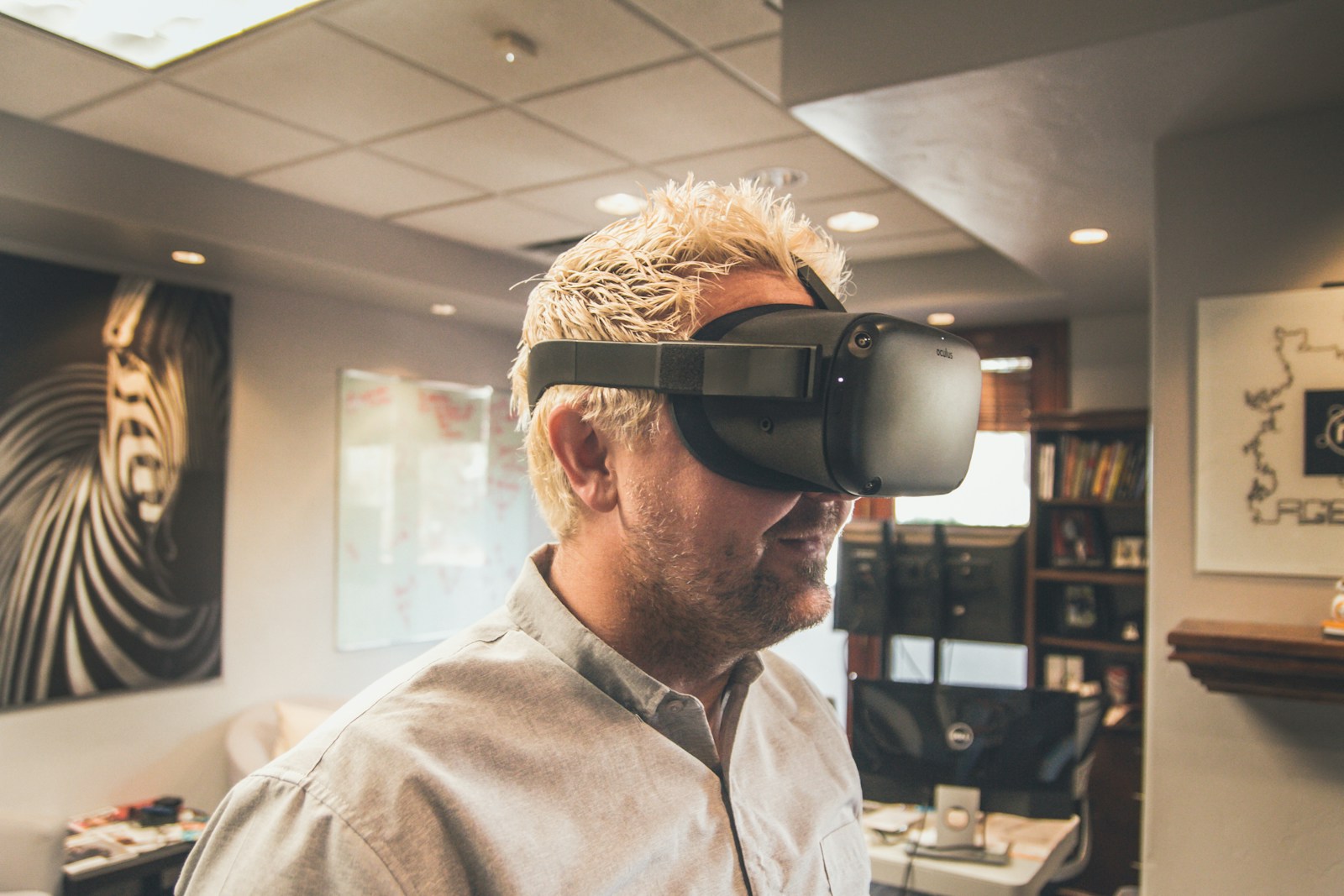
How do you turn a promising VR demo into a training program that improves real job performance?
Virtual reality training programs are most valuable when they let people rehearse important actions, receive immediate feedback, and prove readiness before mistakes become costly. The technology creates presence, but the program creates the outcome. That means starting with a business problem, translating real work into measurable practice, and planning deployment as carefully as the simulation itself.
This guide explains how to choose a use case, design scenarios, select hardware, run a pilot, measure return, and scale responsibly. For the fundamentals, begin with Mimic XR’s guide to virtual training with XR and real-time simulation and then use the framework below to move from concept to an enterprise program.
Table of Contents
What Makes a VR Training Program Effective?
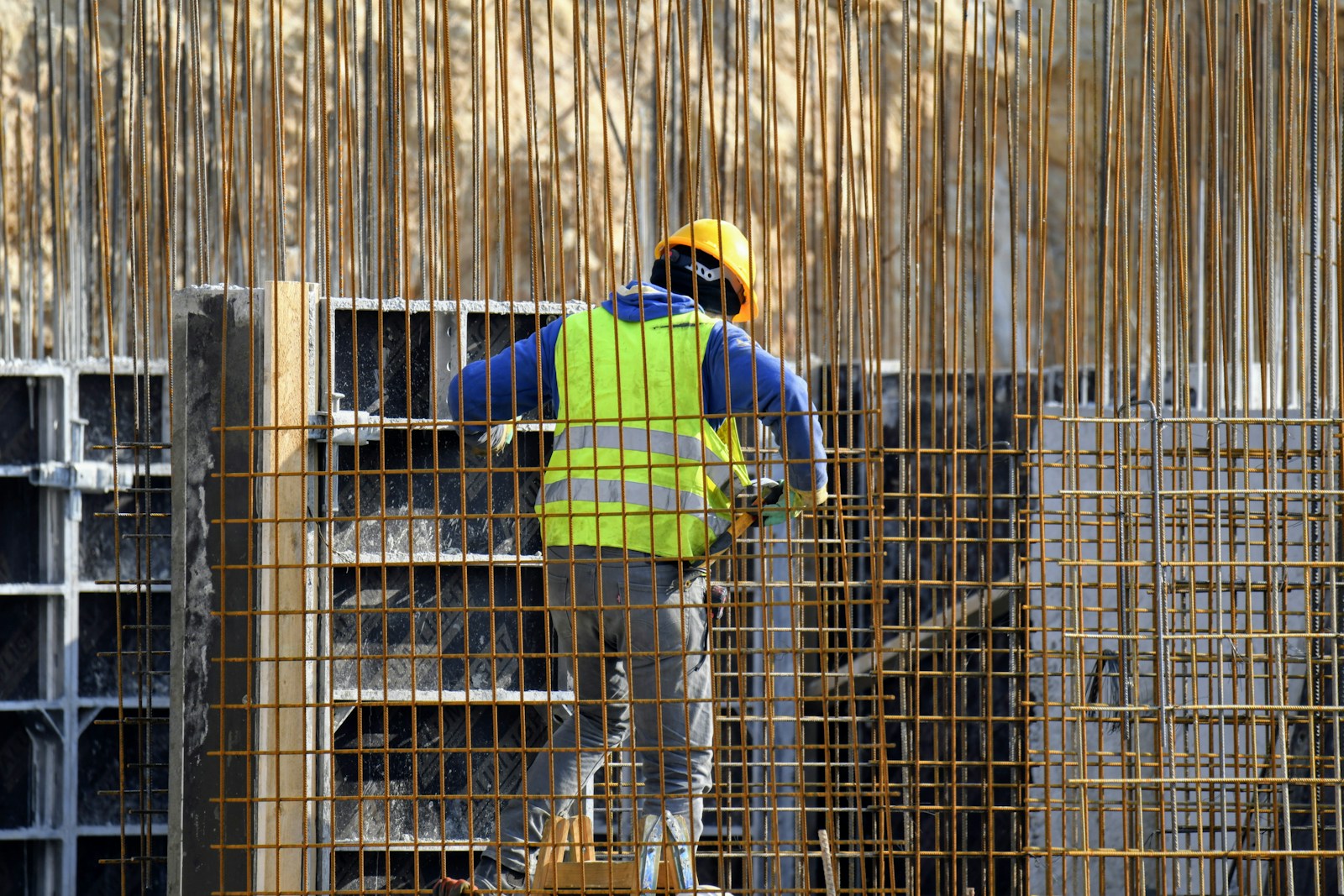
An effective program is built around observable performance. “Understand safety” is too vague. “Identify five hazards, select the correct isolation step, and complete the shutdown sequence without a critical error” gives designers, trainers, and learners a shared target. Every interaction, prompt, scoring rule, and debrief should support that target.
The simulation must resemble the pressures of the job without reproducing unnecessary complexity. Realism is functional, not decorative. Accurate tool placement, timing, sound cues, consequences, and decision paths often matter more than photorealistic surfaces. Mimic XR’s XR training simulations service follows this workflow-first approach.
Strong programs combine instruction, interaction, assessment, and operations. Instruction defines objectives and demonstrations. Interaction lets learners perform the target behavior. Assessment provides evidence of readiness. Operations cover devices, facilitators, support, updates, reporting, and governance.
Use clear objectives tied to real work.
Make interactions match the physical or cognitive skill.
Separate coaching practice from independent assessment.
Plan support, updates, and reporting before rollout.
Feedback should help learners understand cause and effect. Early practice can be explicit; prompts should fade as competence grows. The final assessment should measure independent performance under realistic conditions. This progression turns a memorable experience into a repeatable learning system.
For a deeper business case, review VR training benefits, ROI, safety, and smarter learning. It connects instructional choices with operational value.
How to Choose the Right Training Use Case
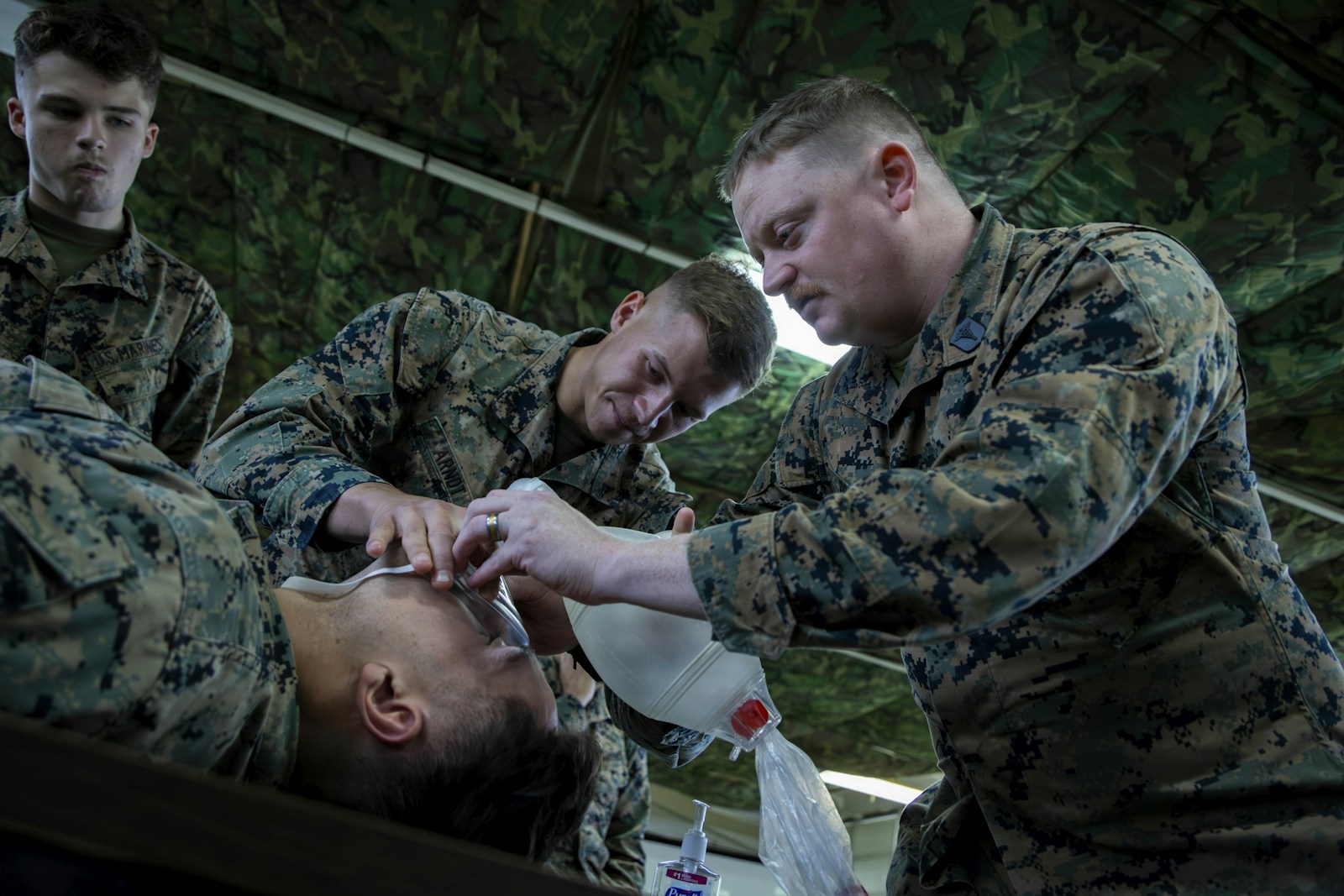
The best first use case sits at the intersection of business value, learning value, and technical feasibility. High visibility is not enough. Choose a task where practice matters, current training has a clear limitation, and improvement can be measured within a pilot period.
Interview subject-matter experts, trainers, supervisors, and recent learners. Observe the workflow when possible. Document the correct sequence, frequent errors, safety-critical decisions, environmental cues, and differences between novice and expert behavior. This discovery prevents the project from becoming a visually impressive but shallow tour.
Is live practice dangerous, costly, rare, disruptive, or hard to access?
Does performance involve spatial judgment, procedure, equipment, or branching decisions?
Can the behavior be represented credibly with available tracking and inputs?
Is there a baseline for time, errors, incidents, instructor effort, or assessment?
Will enough learners use the module to justify development and operations?
Safety, equipment operation, maintenance, medical rehearsal, logistics, onboarding, and soft skills are common candidates. The XR safety training simulations guide explains controlled rehearsal for high-risk work, while the guide to virtual environments for simulation shows how interactive spaces support learning without real-world consequences.
Avoid beginning with an entire curriculum. Select one role, workflow, and performance problem. A narrow pilot creates clearer evidence, reduces approval friction, and establishes reusable interaction patterns. If it succeeds, expand into related tasks without rebuilding the foundation.
How to Design Scenarios, Feedback, and Assessment
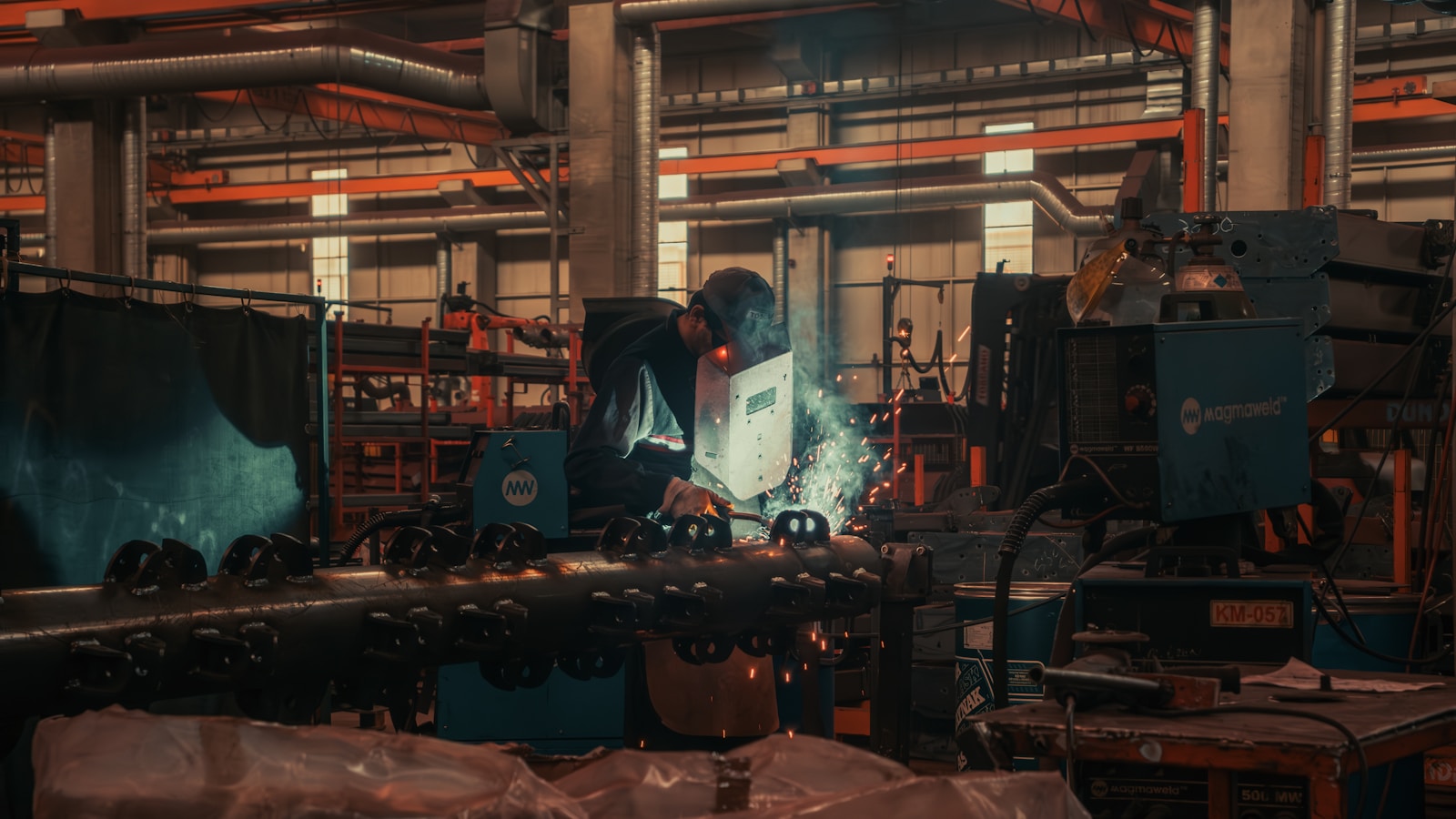
Scenario design begins with a performance map. Break the job into decisions and actions, then label each as required, optional, recoverable, or critical. Define what the learner sees, what they can do, how the system responds, and what evidence is recorded. This becomes the shared specification for instructional designers, developers, artists, and reviewers.
A useful flow often has three passes. A guided pass introduces controls and the correct method. A practice pass removes some prompts and allows recovery. An assessment pass withholds coaching, varies conditions, and applies agreed scoring. The learner should understand why an answer was wrong, while the final score reflects independent performance.
Branching is valuable when choices change outcomes. A maintenance learner might select the wrong isolation point; a supervisor might respond poorly to escalation; a medical trainee might miss a deteriorating patient cue. Branches should reflect credible consequences and provide a focused debrief, not create expensive narrative paths with little learning value.
Assessment should distinguish critical errors from minor inefficiencies. Track sequence accuracy, hazard recognition, response time, tool selection, retries, requests for help, and improvement. Agree on scoring before production so analytics answer real readiness questions.
Realistic environments may use custom assets, digital twins, scanning, or optimized models. Review Mimic XR’s XR services and 3D production capabilities when accurate workplaces, equipment, characters, or interactions are required.
Hardware, Platforms, and Deployment Planning

Hardware should follow the use case. Standalone headsets simplify many pilots by reducing cables and dedicated computer requirements. PC-connected systems may suit high visual fidelity, advanced peripherals, or specialized tracking. Mixed reality can preserve awareness of equipment and people while adding instructions or simulated events.
Evaluate comfort, tracking, passthrough, controllers, hand tracking, hygiene, battery life, accessibility, device management, connectivity, security, and physical space. Test with representative learners. People wearing glasses or protective equipment, users with limited mobility, and first-time XR participants may reveal requirements a development team misses.
Deployment planning begins during design. Assign ownership for enrollment, charging, cleaning, storage, distribution, identity, connectivity, troubleshooting, and replacement. Decide whether sessions are self-guided, facilitator-led, or blended. Give learners a short safety and controls orientation before assessment.
Multi-site delivery needs version control. Every location should receive the same scenario, scoring logic, and content revision. Establish a change process for policies, equipment, localization, analytics, and new devices.
The enterprise XR implementation roadmap covers content pipelines, pilots, governance, and scale. Explore mixed reality solutions when physical context is essential and full VR would remove useful cues.
How to Pilot, Measure ROI, and Scale

A pilot should answer a business question, not merely prove the headset works. Define the learner group, comparison method, baseline, success threshold, test period, and the decision that follows. Ask whether VR reduces instructor time while maintaining quality, or whether repeated hazard practice improves recognition and response.
Measure learning and operations together. Learning measures include accuracy, critical errors, completion, time, retention, confidence, and transfer to supervised work. Operational measures include instructor hours, travel, room use, downtime, consumables, setup, support, and utilization. Enjoyment is useful feedback but not a substitute for performance.
A practical ROI model compares the full current method with the full VR pathway. Include discovery, design, development, hardware, management, support, updates, facilitation, and refresh. Then quantify avoided travel, lower trainer load, reduced materials, faster readiness, fewer mistakes, and other evidence-backed outcomes.
Scale only after fixing confusing interactions, comfort issues, scoring gaps, and operational friction. Create a reusable technical foundation, common interface, analytics vocabulary, and asset library. Prioritize future modules using the same value-feasibility screen.
Leadership should review adoption, completion, performance, reliability, cost, and improvement actions. The Mimic XR industries overview can help identify adjacent opportunities across manufacturing, healthcare, corporate learning, education, logistics, and other sectors.
Plan ownership after launch. Standards change, hardware evolves, and trainers learn better ways to teach. Assign content, technical, data, and operational owners. A program becomes durable when the organization can maintain, measure, and improve it—not when the first build is delivered.
Frequently Asked Questions
What is a virtual reality training program?
It is a structured learning system in which people practice job tasks, decisions, or interpersonal situations inside an interactive 3D environment. A complete program includes objectives, scenarios, feedback, assessment, hardware, deployment, and reporting—not only a headset application.
Which skills are best suited to VR training?
VR works well when performance depends on spatial awareness, a repeatable sequence, decisions under pressure, equipment interaction, hazard recognition, or realistic conversation practice. It is especially useful when live practice is dangerous, expensive, disruptive, rare, or difficult to standardize.
How much does a VR training program cost?
Cost depends on scenario complexity, visual fidelity, device targets, integrations, analytics, localization, and reusable content. A focused pilot around one measurable workflow is the safest starting point because it produces usage evidence before a larger commitment.
How long does development take?
A focused pilot may take several weeks, while a multi-scenario production program with integrations and device-management requirements can take several months. A reliable schedule starts with workflow mapping and a prototype of the hardest interaction.
Does VR training need an LMS?
Not always. A pilot can use local profiles or lightweight reporting. An LMS becomes valuable when the organization needs identity, assignments, completion records, compliance evidence, or combined reporting across VR and conventional learning.
How is learner performance measured?
Useful measures include completion, time on task, sequence accuracy, errors, unsafe actions, hints requested, decision quality, retries, and improvement between attempts. Metrics should reflect the real performance standard, not arbitrary game points.
Can it work across multiple locations?
Yes. The same software can deliver consistent scenarios and scoring across sites. Scaling still requires device enrollment, hygiene, charging, connectivity, facilitation, support ownership, updates, and synchronization of learner records.
Can VR cause motion sickness?
Poor locomotion, unstable frame rates, forced camera movement, latency, and long sessions can cause discomfort. Design for stable performance, natural interaction, suitable movement options, short orientation, and representative user testing.
How do you prove ROI?
Compare against a baseline using time to competency, instructor hours, travel, equipment downtime, consumables, errors, incidents, scores, and retraining. Include device operations and content maintenance so the model reflects the full program.
Should VR replace classroom or hands-on training?
Usually not completely. VR is strongest in a blended pathway: preparation before live practice, repeated rehearsal, assessment before real equipment access, and refreshers for rare or high-risk events.
Conclusion
Successful virtual reality training programs connect immersive practice to a specific performance standard. They begin with a valuable use case, represent real decisions and consequences, measure meaningful behavior, and include the operations required for reliable delivery. Starting narrow makes evidence clearer and creates a reusable base for expansion.
If your organization is evaluating a pilot, define one role, one workflow, and one measurable outcome. That is enough to begin a productive design conversation and test value before scaling.
Ready to turn a real workflow into measurable immersive practice? Talk to Mimic XR about a virtual reality training program and map the first scenario, target devices, assessment criteria, and rollout plan.