


Is XR the same as VR—and which technology should your business invest in?
XR and VR are closely related, but they are not interchangeable. Virtual reality is one specific immersive technology that replaces the user’s visible environment with a computer-generated one. Extended reality is the broader category that includes VR, augmented reality, mixed reality, and experiences that move between those modes.
For business buyers, the useful question is not which acronym sounds more advanced. It is which level of immersion best solves the workflow, learning, collaboration, visualization, or customer-experience problem. This guide explains XR vs VR in practical terms and shows how to choose an approach that can earn adoption and measurable value. You can also explore Mimic XR’s full immersive technology services while reading.
Table of Contents
What is the difference between XR and VR?

Virtual reality, or VR, places a user inside a digitally created environment. A headset blocks or substantially replaces the physical surroundings, while head and hand tracking let the person look, move, and interact inside the simulated world. VR works especially well when presence, focus, safe repetition, or complete environmental control is central to the goal.
Extended reality, or XR, is the umbrella term. It covers VR, augmented reality (AR), mixed reality (MR), and hybrid spatial experiences. An XR project may use a phone camera to add information to the real world, a see-through headset that anchors interactive objects into a room, or a VR headset that transports the user into a fully virtual scenario.
The simplest answer is: every VR experience is an XR experience, but not every XR experience is VR. The distinction matters during procurement because the category affects devices, interaction design, environmental requirements, content production, deployment, safety, support, and total cost.
If you need a deeper primer before comparing options, read Mimic XR’s guide to what XR technology is and how organizations use it. For an overview focused specifically on complete immersion, see what virtual reality is and where it is used.
Where do AR and MR fit within XR?
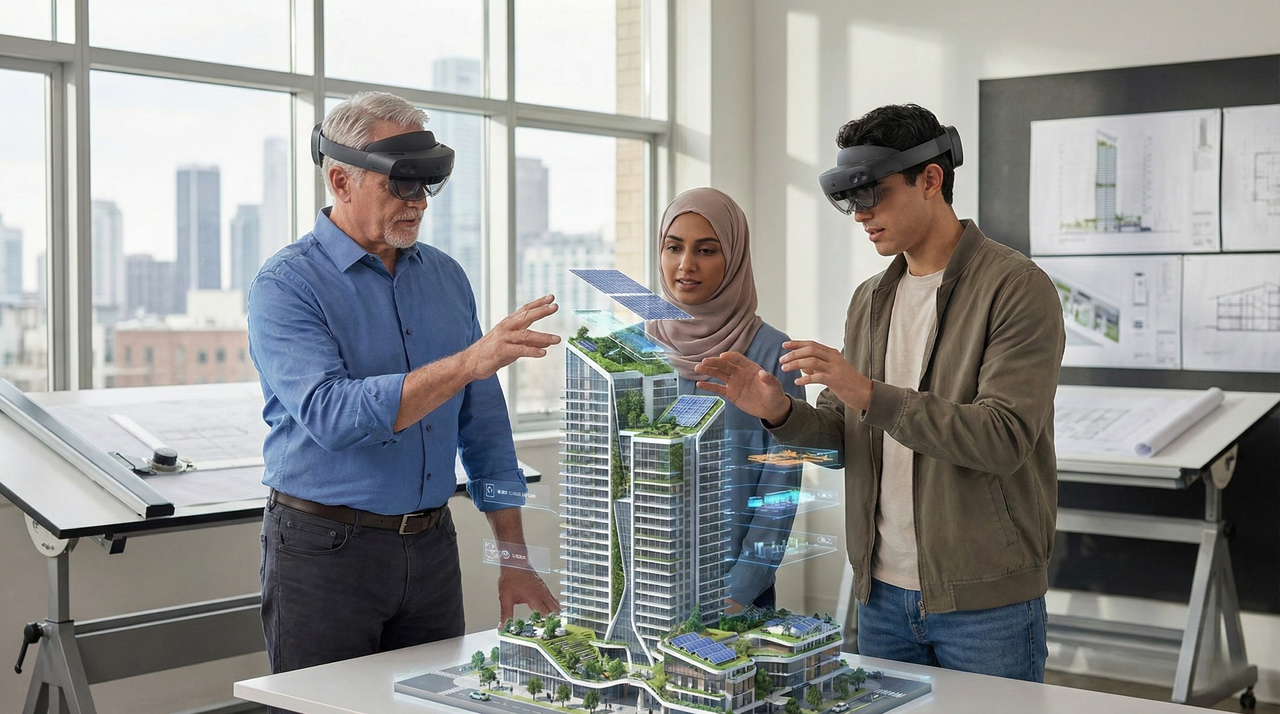
Augmented reality keeps the real world visible and adds digital information to it. The experience may run on a smartphone, tablet, or glasses. Typical uses include product previews, contextual instructions, navigation, marketing activations, and maintenance guidance. Because users remain aware of their environment, AR is often a strong fit when digital information must appear at the point of work or purchase.
Mixed reality also preserves the physical environment, but it typically provides stronger spatial understanding and interaction. Digital objects can be anchored to surfaces, respond to the room, and support natural input such as hands, gaze, or controllers. MR is useful for collaborative design reviews, guided procedures, spatial visualization, and applications where real and digital objects must behave as one scene.
VR, AR, and MR are therefore not a simple ladder from basic to advanced. Each mode creates a different relationship between the user, the environment, and the information. A phone-based AR tool can outperform a premium headset when reach and convenience matter. A VR simulation can outperform AR when distraction-free practice and environmental control matter.
Mimic XR develops both augmented reality applications and experiences and mixed reality solutions, allowing the delivery format to follow the use case rather than forcing every idea into one device category.
XR vs VR: the practical business differences
The biggest practical difference is scope. Choosing VR defines a specific experience model: a user enters a virtual environment through a headset. Choosing XR keeps several delivery modes open. That flexibility can be valuable, but it also means the team must make more decisions about devices, context, and interaction.
Immersion: VR provides the strongest separation from the physical world. AR and MR blend digital content with the user’s surroundings.
Context: VR recreates the context inside software. AR and MR can respond to the actual room, machine, product, or workplace.
Hardware: VR normally requires a headset and controllers or hand tracking. Broader XR may use phones, tablets, glasses, headsets, or a combination.
Reach: Mobile and WebAR can reach more people with less setup. Headset-based VR usually offers deeper immersion but needs device distribution and onboarding.
Safety and movement: VR needs a clear play area and careful comfort design. AR and MR keep environmental awareness, though overlays must not distract from real hazards.
Content pipeline: All modes may need 3D assets, animation, UX, sound, analytics, and integrations, but the performance budget and interaction rules differ by platform.
The right comparison therefore includes the whole operating model, not only visual quality. Ask who uses the experience, where they use it, what they must do, what data must be captured, and how the experience will be maintained. Those answers expose whether full VR or a broader XR approach is the better investment.
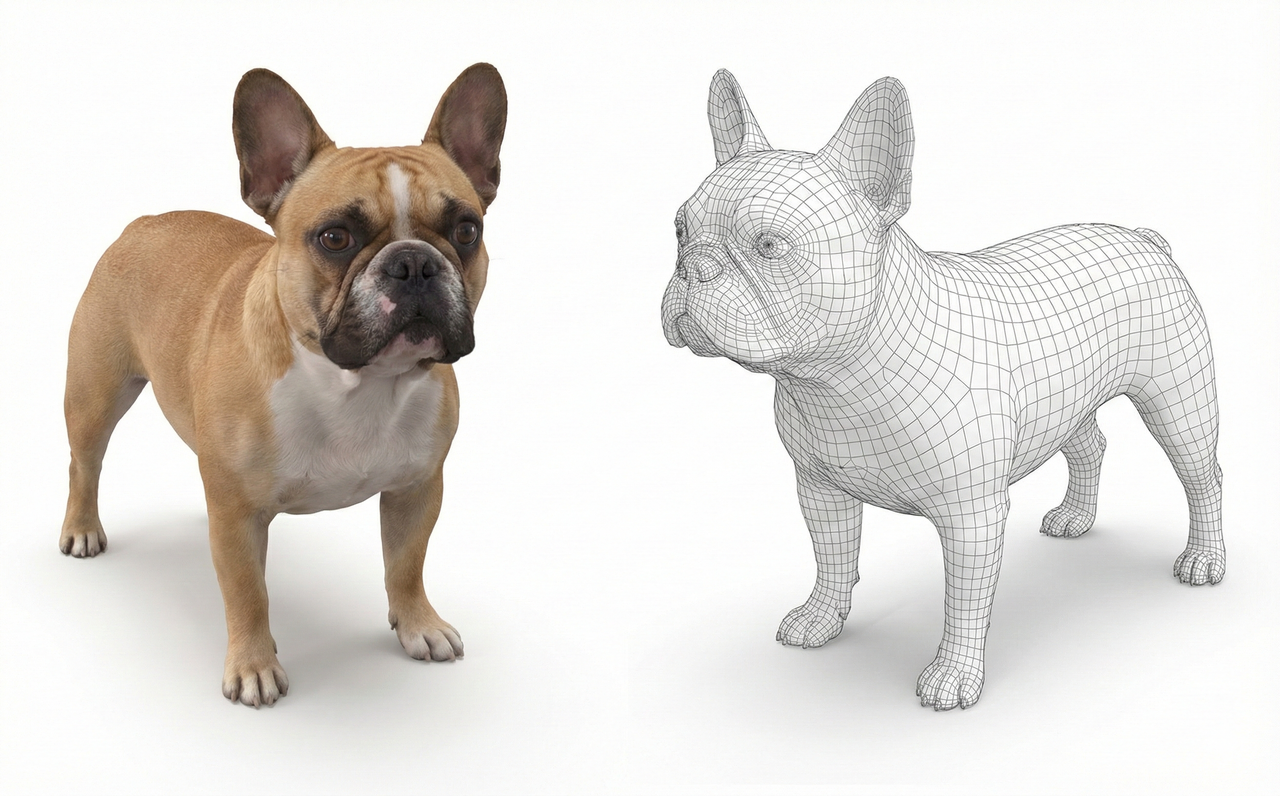
Teams planning detailed environments and reusable content can learn more about Mimic XR’s virtual world development and real-time 3D modeling and asset creation.
When should a business choose VR?

Choose VR when the value depends on placing the user inside a controlled situation. Training is the clearest example. A learner can repeat a hazardous procedure, practice a rare emergency, operate a virtual machine, or rehearse a difficult conversation without putting people, equipment, or production at risk.
VR is also effective for experiences that demand sustained attention. Architectural walkthroughs, virtual showrooms, remote collaboration spaces, entertainment, and scenario-based assessment benefit from a consistent environment that the designer can control. Every participant can see the same cues, follow the same sequence, and be measured against the same criteria.
A strong VR case usually has at least one of these characteristics: the real environment is dangerous or expensive; physical access is limited; consistency matters across sites; learning requires action rather than passive explanation; or presence materially improves understanding and decision-making.
Do not choose VR simply because immersion is impressive. Headsets create operational needs: device management, hygiene, user onboarding, charging, storage, physical space, accessibility alternatives, and technical support. Those requirements are manageable when the outcome justifies them and should be designed into the rollout from the start.
For repeatable skills practice, assessment, and multi-site deployment, explore Mimic XR’s XR training simulation service and its guide to VR training benefits, ROI, and safety.
When is broader XR the better choice?
A broader XR strategy is better when the solution must work across contexts or when the physical world is part of the task. A field technician may need AR instructions on a real machine. A retail customer may need a phone-based product preview. A design team may need MR models anchored in a meeting room. The same organization may also use VR for training, making XR the more useful portfolio-level concept.
XR is especially valuable when reach and device flexibility matter. A lightweight WebXR or mobile AR proof of concept can test demand with low friction, while a headset version can later add deeper interaction for specialist users. This staged approach can reduce early risk and provide evidence before a larger production commitment.
Broader XR also supports connected journeys. For example, an employee might learn a procedure in VR, receive AR guidance while performing the real task, and review performance data on a conventional dashboard. The modes serve different moments, but they share assets, logic, analytics, and learning objectives.
The trade-off is architectural complexity. Cross-platform experiences need clear content governance, device testing, account and identity planning, analytics definitions, data security, and a roadmap for updates. A focused pilot should prove one important workflow before the solution expands.
For customer-facing visualization, see Mimic XR’s AR product visualisation service. For human-centered simulations and interactive support, review smart avatars and NPCs.
How to choose and launch the right immersive solution

Start with the business outcome, not the headset. Define one observable change: fewer procedure errors, faster onboarding, shorter sales cycles, better design decisions, improved retention, lower travel, or safer practice. Then identify the user, environment, frequency, and constraints.
1. Map the real workflow. Document what the user sees, decides, touches, and must remember. Include failure points and environmental risks.
2. Choose the minimum useful immersion. Use VR when environmental replacement creates value. Use AR or MR when real-world context must remain visible.
3. Prototype the hardest assumption. Test the key interaction, device comfort, tracking condition, and content quality before producing every scene.
4. Define measurement early. Choose completion, error rate, time, knowledge retention, conversion, or task performance metrics before launch.
5. Plan deployment and ownership. Assign responsibility for hardware, accounts, support, content updates, privacy, analytics, and integration.
6. Expand from evidence. After the pilot proves value, add scenarios, platforms, locations, or connected AR and MR stages.
This process prevents two common failures: buying hardware before the workflow is clear and commissioning a visually polished demo that cannot be measured or maintained. A successful immersive product balances human experience, real-time performance, content quality, technical integration, and operational reality.
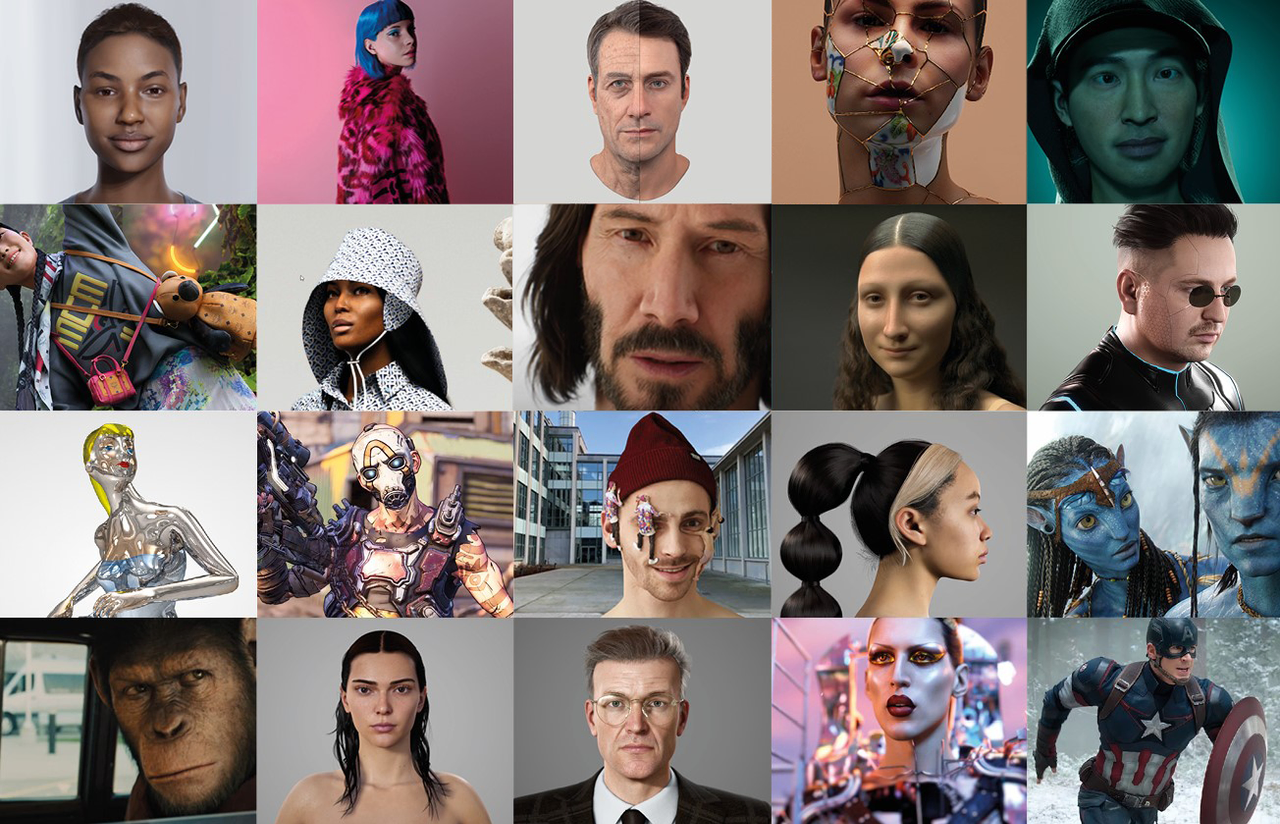
Mimic XR combines real-time development with high-end character and environment production. Review the industries served by Mimic XR or learn more about the studio and its experience before discussing a pilot.
Frequently asked questions
Is XR the same as VR?
No. XR is the umbrella category for virtual reality, augmented reality, mixed reality, and related immersive experiences. VR is one type of XR that replaces the user’s visible environment with a digital one.
What does XR stand for?
XR commonly stands for extended reality. It describes technologies that extend, augment, blend, or replace a person’s perception of the physical world with digital content.
Which is more immersive, XR or VR?
VR is usually the most fully immersive mode within XR because a headset replaces the visible surroundings. XR itself is a category, so its level of immersion depends on whether the experience uses AR, MR, VR, or a hybrid.
Is a VR headset an XR device?
Yes. A VR headset is an XR device because VR belongs to the wider extended reality category. Some modern headsets also support mixed reality by showing the physical environment through cameras.
Is XR better than VR for business?
Neither is universally better. VR is stronger for controlled simulation, focused learning, and complete virtual environments. AR or MR may be better when employees or customers must see and interact with the real world.
Can XR work without a headset?
Yes. Mobile AR and browser-based WebXR experiences can run on compatible phones or tablets. The best device depends on the audience, required interaction, immersion, and deployment constraints.
What are common business uses of XR?
Common uses include safety and skills training, onboarding, remote assistance, maintenance guidance, product visualization, design review, virtual collaboration, customer experiences, education, healthcare simulation, and immersive entertainment.
How should a company start an XR project?
Begin with one measurable workflow and define the user, environment, desired behavior, constraints, and success metric. Prototype the most difficult interaction before committing to full production.
How much does an XR project cost?
Cost depends on platform, content volume, 3D asset quality, interactions, integrations, analytics, multiplayer features, device support, testing, and maintenance. A scoped discovery and prototype are the safest way to create a reliable budget.
What skills are needed to build XR?
A production team may need experience design, Unity or Unreal development, 3D modeling, animation, technical art, sound, interaction design, device optimization, QA, analytics, backend integration, and deployment planning.
Conclusion: choose the experience around the outcome
The XR vs VR decision becomes straightforward when you start with context. Choose VR when full immersion, controlled repetition, or a completely simulated world creates the value. Choose AR, MR, or a connected XR approach when the physical environment, broad reach, or multiple stages of a workflow must remain part of the experience.
The strongest projects do not sell immersion for its own sake; they make a task safer, clearer, faster, more memorable, or more persuasive. Talk to Mimic XR about your use case and turn the right level of immersion into a measurable pilot.