
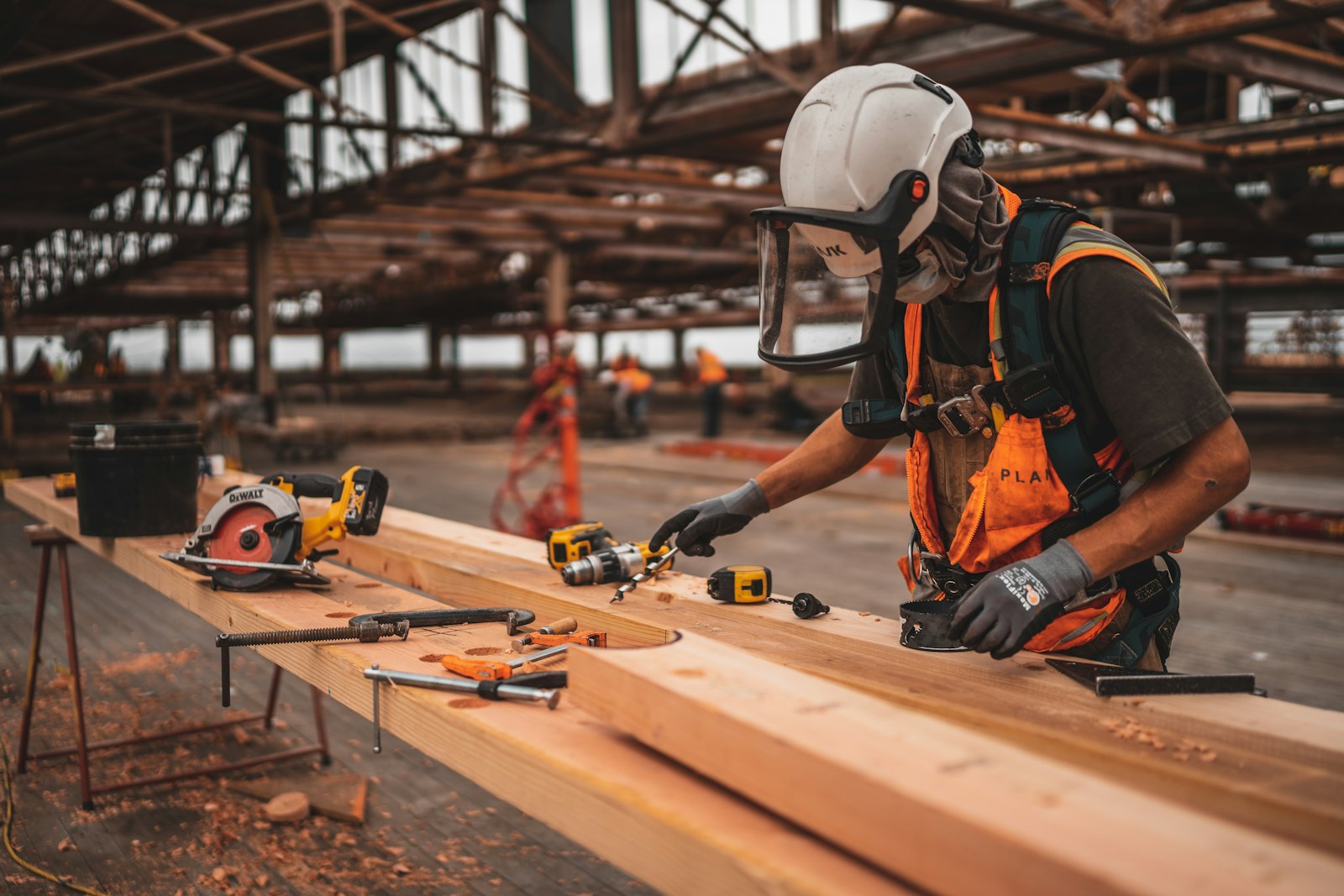
How can immersive training turn knowledge into safer, more confident performance?
Immersive training places learners inside realistic situations where they can make decisions, practice actions, and receive feedback without exposing people, equipment, or customers to unnecessary risk. It can use virtual reality, augmented reality, mixed reality, interactive 3D environments, or a carefully chosen combination of these formats.
This guide explains how to plan immersive training as a measurable performance system—not simply a headset demonstration. It covers business goals, scenario design, technology choices, rollout, evaluation, and responsible scaling, with practical links to Mimic XR’s work in XR training simulations and enterprise spatial experiences.
Table of Contents
What immersive training means for modern organizations

Immersive training is a learning approach built around presence, interaction, and consequence. Instead of only reading a procedure or watching an expert perform it, learners enter a simulated or digitally enhanced environment. They inspect conditions, choose an action, communicate with a character, operate a virtual tool, or follow guidance overlaid on the real workplace. The experience responds to what they do, making the lesson active rather than passive.
The format is especially useful when traditional practice is dangerous, expensive, hard to schedule, geographically inconsistent, or too rare to rehearse. Emergency response, equipment operation, customer conversations, clinical procedures, onboarding, maintenance, and leadership decisions can all benefit when a realistic scenario lets people practice repeatedly. Mimic XR’s overview of virtual training with XR and real-time simulation provides useful background on this shift.
Immersion alone does not guarantee learning. A beautiful virtual world may create excitement while failing to change workplace behavior. Effective programs connect every interaction to a defined job task, observable standard, and feedback loop. They also account for the learner’s physical environment, device comfort, accessibility, language, prior experience, and the support available after the session.
Think of immersive training as one part of a wider learning system. Briefing prepares the learner, the simulation creates deliberate practice, debriefing turns experience into insight, and workplace reinforcement helps the new behavior persist. This full cycle distinguishes a repeatable capability from a one-off experience.
Start with the performance problem
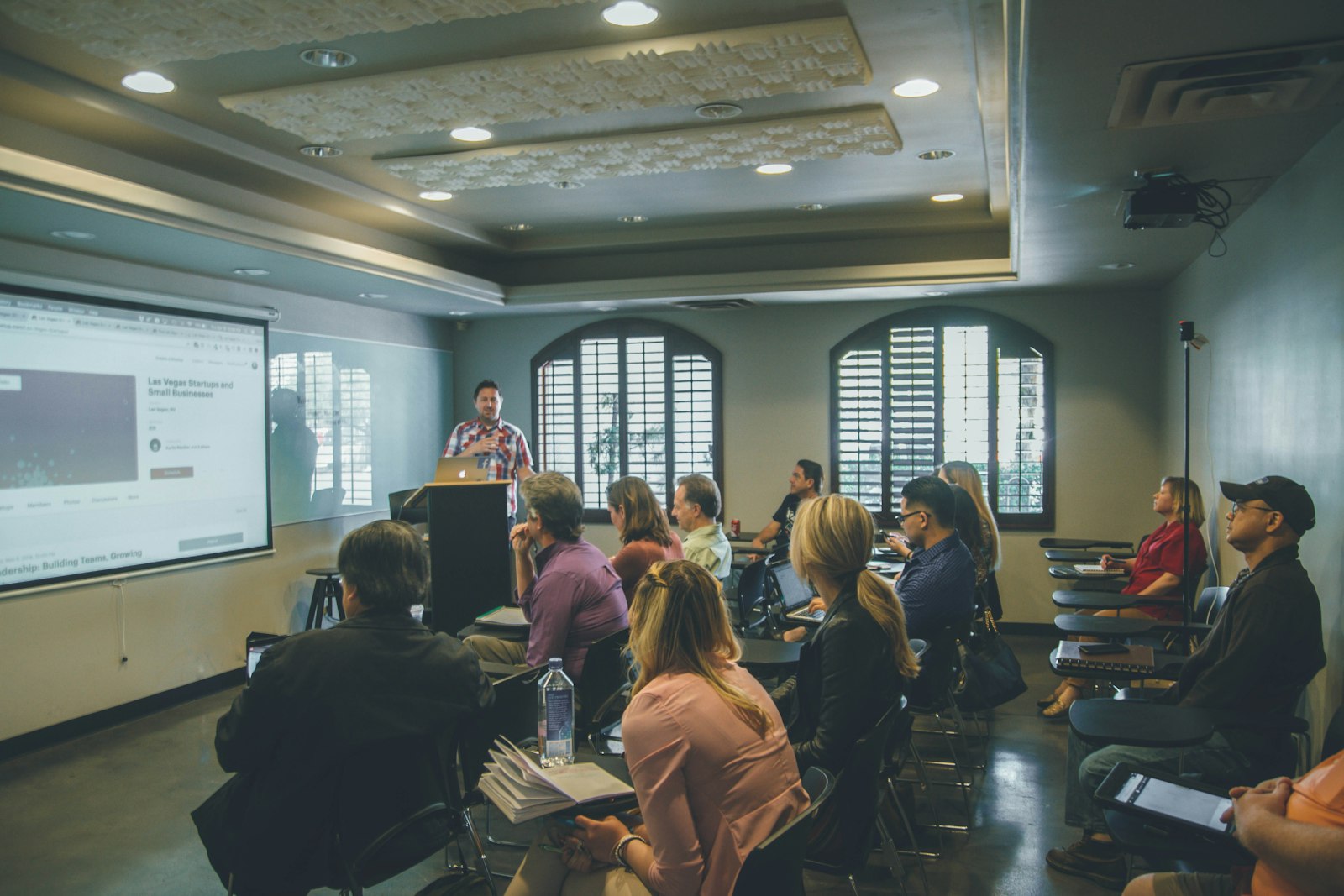
Begin with the performance gap, not the device. Interview frontline employees, supervisors, safety leaders, learning teams, and subject-matter experts. Observe how the task is actually completed, including shortcuts, interruptions, ambiguous signals, and environmental pressures that may not appear in a written procedure. The goal is to identify what a capable person notices, decides, communicates, and does differently.
Write a concise performance statement: who must do what, under which conditions, to what standard, and with what business consequence. “Technicians need VR training” is too broad. “New technicians must isolate three energy sources in the correct sequence before maintenance, with zero missed verification steps” is specific enough to design and measure.
Prioritize tasks where simulation adds genuine value. Strong candidates combine meaningful consequence with a need for judgment, spatial understanding, repetition, or coordinated action. A simple information update may be better delivered as a checklist or short video. Immersion earns its place when the learner needs to experience context and practice a response.
Define the target behavior and the current baseline before production begins.
Identify the critical errors, cues, decisions, and recovery actions the scenario must include.
Choose evidence that will prove transfer, such as fewer mistakes, faster completion, safer behavior, or better customer outcomes.
Confirm who owns the content, the operational result, the technology, and the final approval.
For safety-critical use cases, compare the proposed program with Mimic XR’s guide to XR safety training simulations. It shows why controlled exposure, repeatability, and measurable decisions are central to simulation-based learning.
Design scenarios that build transferable skills

A good immersive scenario is not a linear tour. It gives the learner a credible goal, enough context to interpret the situation, meaningful choices, and feedback tied to the consequences of those choices. The level of fidelity should serve the learning objective. Physical realism matters when spatial relationships, tool handling, or hazard recognition are essential; conversational and emotional realism may matter more for customer service, leadership, or clinical communication.
Break complex performance into a progression. Early scenarios can teach orientation and essential controls. Guided practice can highlight cues and explain decisions. Later scenarios should remove prompts, introduce variation, and test the learner under realistic time, workload, or communication pressure. Repetition should not mean replaying the identical sequence; controlled variation helps people recognize principles rather than memorize a script.
Feedback works best when it is timely but not disruptive. Immediate cues can prevent a beginner from practicing a dangerous misconception. Delayed feedback can be more appropriate when the aim is diagnosis or independent decision-making. A structured debrief should help the learner reconstruct what happened, compare choices with the standard, and plan how to respond next time.
Characters and smart avatars can add human complexity to training. A virtual colleague may show confusion, resist an instruction, or provide incomplete information, requiring the learner to listen and adapt. When conversational behavior is part of the objective, explore how AI and XR training simulations use smart avatars while keeping responses within an approved instructional framework.
Test the scenario with both experts and representative learners. Experts validate accuracy, while learners expose confusing language, interaction friction, comfort issues, and assumptions that the design team missed. Short usability cycles during development are far cheaper than discovering these problems after deployment.
Choose the right XR delivery format

Virtual reality is well suited to full environmental replacement, repeatable simulations, rare events, and situations where the real workplace cannot safely host practice. Augmented reality is useful when learners need digital instructions, object recognition, or remote guidance while remaining aware of real equipment. Mixed reality supports spatial interaction with anchored digital content and can combine physical tools with responsive simulations. Desktop 3D may extend access when headsets are unavailable.
Choose based on learning conditions, not novelty. Consider field of view, hand tracking, controllers, passthrough, visual quality, device weight, hygiene, battery life, room setup, network constraints, sound, and whether the experience must run offline. Also decide whether the learner is seated, standing, walking, collaborating, or working beside real machinery.
Content architecture matters as much as hardware. Modular scenarios, reusable assets, configurable rules, and separated analytics make future updates easier. A product that is tightly bound to one device or one fixed procedure can become expensive to maintain. Mimic XR’s explanation of the difference between VR, AR, and MR can help stakeholders align the format with the workflow.
Accessibility and comfort must be included during selection. Offer clear calibration, readable interfaces, seated or alternative modes where possible, adjustable audio, concise sessions, and a non-headset route when required. Screen for motion sensitivity and provide a safe physical area. The objective is competent performance, not endurance inside a device.
Organizations planning a broader program can connect these decisions to an enterprise XR implementation roadmap, which addresses governance, integration, adoption, and long-term ownership beyond the first application.
Plan a pilot and operational rollout

A pilot should answer a decision, not merely prove that the technology runs. Define the target population, scenario, baseline, success threshold, duration, support model, and decision that follows the pilot. A focused cohort at one location can reveal learning impact and operational friction before hardware, content, and administration are expanded.
Compare results fairly. If possible, use a matched group receiving the current training method and measure both groups with the same assessment. Capture prior experience and role differences. Immediate scores show whether people learned inside the session, but delayed checks and workplace observation show whether the learning transferred.
Operational details determine adoption. Devices need charging, updates, secure storage, cleaning, user profiles, connectivity, and a process for damaged equipment. Facilitators need a launch checklist and troubleshooting path. Managers need scheduling rules that protect time for training. Learners need a clear explanation of purpose, privacy, and what performance data will be collected.
Introduce the experience with psychological safety. Employees should know whether the simulation is developmental, evaluative, or both. If every exploratory mistake feels punitive, learners may avoid experimentation and the program will lose one of simulation’s greatest benefits. Separate practice from certification when appropriate and make scoring rules transparent.
Onboarding is a practical place to apply this structured rollout because new employees need consistent context and safe rehearsal. See how XR onboarding supports immersive employee training across distributed teams.
Measure learning, performance, and business impact
Measurement should connect four layers: experience quality, learning, workplace behavior, and business results. Experience measures include completion, comfort, usability, and engagement. Learning measures include knowledge, procedural accuracy, decision quality, confidence calibration, and retention. Behavior measures show whether employees apply the skill on the job. Business measures translate that change into safety, quality, speed, cost, customer, or workforce outcomes.
Simulation telemetry can reveal more than a final pass score. Useful events include which hazards a learner noticed, the order of actions, time spent before a decision, requests for help, repeated errors, communication choices, and recovery after a mistake. Collect only data that has an instructional or operational purpose, and explain its use clearly.
Build a baseline before launch. Without current error rates, time to competence, instructor hours, travel cost, equipment downtime, or incident exposure, it is difficult to show improvement. Use a consistent observation rubric so supervisors assess behavior similarly. Pair quantitative measures with interviews to understand why the program is or is not changing performance.
A practical value model includes avoided cost and improved capacity as well as direct savings. It may count reduced travel, less equipment taken out of production, fewer instructor hours, faster qualification, lower rework, reduced incident likelihood, or higher first-time-right performance. The separate guide to VR training benefits and ROI offers a deeper business case framework.
Review outcomes by role, location, and learner group. An average improvement can hide a scenario that works well for experienced staff but confuses beginners. Measurement should guide revisions to instructions, interaction, difficulty, facilitator support, and post-training reinforcement—not simply justify the original investment.
Scale immersive training responsibly
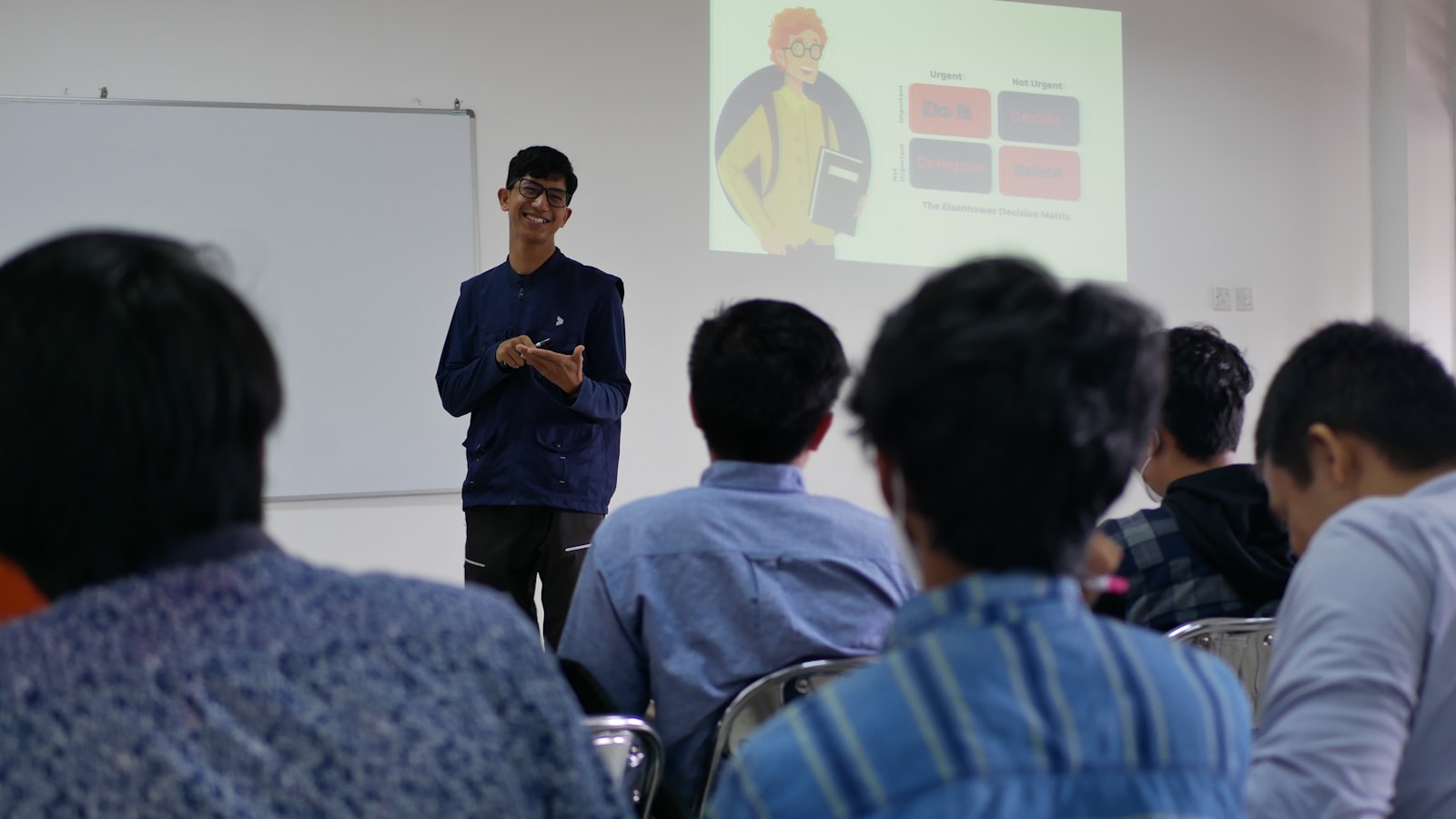
Scaling is a content, operations, and governance challenge. Establish ownership for instructional standards, subject-matter approval, device management, analytics, privacy, accessibility, security, and change control. Decide how frequently scenarios will be reviewed and what triggers an urgent update, such as a new procedure, equipment change, regulation, or incident finding.
Create a reusable design system. Common menus, controls, safety boundaries, onboarding steps, scoring conventions, and analytics events reduce cognitive load and development cost. Reusable 3D environments and interaction components can accelerate new modules, but each scenario still needs task-specific validation.
Integrate carefully with learning management and identity systems. Pass completion, credential, and assessment data only after defining the source of truth and appropriate access. Protect personal performance information, set retention periods, and avoid collecting biometric or behavioral detail simply because a device makes it possible. Security reviews should cover devices, local caches, networks, accounts, content distribution, and third-party services.
Localization involves more than translation. Voice, signage, units, regulations, equipment, cultural expectations, and workplace roles may vary. Local experts should validate the experience, while a shared core preserves consistency across the organization. Mimic XR’s article on how enterprises standardize skills across global teams with VR training explores this balance.
Finally, maintain a portfolio rather than a collection of isolated demos. Retire low-value modules, update high-use scenarios, compare outcomes, and prioritize new experiences against strategic capability gaps. Responsible scale means every module has an owner, a reason to exist, evidence of value, and a supported path through its full lifecycle.
Frequently asked questions
What is immersive training?
Immersive training is active learning delivered through realistic interactive experiences such as VR, AR, MR, or 3D simulations. Learners practice decisions and actions in context, receive feedback, and repeat safely.
How is immersive training different from e-learning?
Traditional e-learning often presents information through text, video, and quizzes. Immersive training places the learner inside a responsive situation where behavior, timing, spatial awareness, and consequences can be practiced.
Which jobs benefit most from immersive training?
Roles involving safety risk, expensive equipment, complex environments, interpersonal judgment, rare events, or geographically distributed instruction are strong candidates. The task and performance gap should determine suitability.
Does immersive training always require a VR headset?
No. The best format may be VR, AR on a phone or glasses, mixed reality, desktop 3D, or a blended approach. Device choice should follow the learning objective and operational conditions.
How long should an immersive training session be?
Session length depends on complexity and comfort, but focused modules with briefing and debriefing are usually more effective than long uninterrupted exposure. Programs should be tested with representative learners.
How do you measure immersive training effectiveness?
Measure experience quality, learning and retention, transfer to workplace behavior, and business outcomes. Useful indicators include errors, decision quality, time to competence, rework, incidents, instructor effort, and operational downtime.
Can immersive training be used for certification?
Yes, when scenarios, scoring, identity, equipment, and assessment rules are validated for the relevant standard. Many organizations separate exploratory practice from formal evaluation to preserve psychological safety.
What are the main risks of immersive training?
Common risks include choosing technology before defining the task, weak instructional design, discomfort, accessibility barriers, unclear data practices, unsupported devices, outdated procedures, and measuring engagement without measuring performance.
How should an organization begin?
Select one valuable, measurable performance problem; document the baseline; design a focused scenario; pilot with representative learners; compare results; and scale only after learning and operational requirements are understood.
Conclusion
Immersive training creates value when realistic practice is tied to a genuine performance problem, the right delivery format, thoughtful feedback, and evidence from the workplace. Organizations that treat it as a managed learning capability can improve confidence, consistency, safety, and speed while continuously refining what employees need to practice.
Ready to design an immersive training program around measurable workforce outcomes? Explore Mimic XR’s training simulation services or contact the Mimic XR team to plan the scenario, technology, pilot, and scale-up path.